
If you are comparing clear aligners in London, you may have started by searching for Invisalign. However, Invisalign is a brand, rather than the name of every clear aligner system. Cost, appointment frequency and the movements your teeth need all matter when choosing treatment.
At Condor Dent in Brixton, we work with Angel Aligner. Patients often ask how it differs from Invisalign and why one option might suit them. This guide explains how the systems work, what to consider and how a consultation helps you make an informed choice.
No clinic can guarantee a result or timeline before assessing your teeth. A clinical examination, together with the records and tests you need, helps establish whether aligners are suitable. A digital scan supports planning, but it does not replace that assessment.
Quick answer: Angel Aligner and Invisalign use custom-made, transparent trays to move teeth gradually. Neither system is best for everyone. The right choice depends on your bite, the clinician’s experience and the proposed treatment plan, including its full cost.
How clear aligners work

Clear aligners offer an alternative to fixed braces for suitable patients. A series of removable trays applies planned forces to your teeth. Although details vary between systems and cases, treatment usually follows these stages:
- Assessment and digital scan. Your clinician checks your teeth, gums and bite. A 3D intraoral scan records tooth positions, alongside any other diagnostic records you need.
- Treatment plan. The clinician uses planning software to map the proposed movements. You discuss the aims, limitations and alternatives before deciding whether to proceed.
- Aligner series. You receive a numbered sequence of trays. Your clinician tells you when to change each one; the interval depends on your individual plan.
- Progress checks. Your dentist reviews how your teeth are moving and whether the trays fit correctly. Sometimes the plan needs adjustments or further aligners.
Daily wear and cleaning
Wear your trays for the number of hours your clinician prescribes. Most plans require near full-time wear, with breaks for meals and oral hygiene. Inconsistent wear can slow progress, so discuss your routine before starting.
Clean your aligners daily using the instructions for your system. Remove them for food and drinks other than water, and clean your teeth before putting them back in. Also, avoid hot water, which can distort the trays. These habits help protect your teeth and keep the aligners fitting properly.
Angel Aligner vs Invisalign: key differences
Both systems use clear, removable trays, but they come from different manufacturers. Materials, planning tools and product ranges vary. Therefore, compare the plan offered for your own teeth rather than assuming that a brand name predicts the result.
| Aspect | Angel Aligner | Invisalign |
|---|---|---|
| Material | Proprietary thermoplastic materials; the option depends on the product range. | Proprietary materials, including SmartTrack, depending on the product used. |
| Digital planning | Digital records and planning supervised by the clinician. | Digital records and planning using tools such as ClinCheck. |
| Suitable cases | Suitability depends on the planned movements and clinical assessment. | Suitability also depends on the diagnosis and clinical plan. |
| Clinical experience | Ask about your clinician’s experience with this system and similar cases. | Ask about your clinician’s experience with this system and similar cases. |
| Cost | An individual quotation based on the plan and included services. | An individual quotation based on the plan and included services. |
There is no universal winner. Both manufacturers offer options for different needs. It would be misleading to limit Angel Aligner to simple cases or assume that Invisalign alone can resolve every complex bite problem.
Our Angel Aligner service in London explains the system we work with at Condor Dent. During your consultation, the team can explain why an option suits your bite and whether you need other techniques or a specialist opinion.
When comparing quotations, check whether reviews, possible refinements and retainers are included. A lower starting figure does not always mean a lower overall cost. Instead, compare equivalent plans and ask what happens if you need an additional treatment stage.
Who is a candidate for clear aligners in London?
Clear aligners can treat a range of tooth-position problems. However, they are not suitable for every patient. Your clinician will consider factors such as:
- Crowding or spaces between teeth and the movements needed to address them.
- The way your upper and lower teeth meet when you bite.
- Your ability to wear the trays consistently and attend review appointments.
- The health of your gums, teeth and supporting bone.
Active gum disease needs attention before orthodontic tooth movement. In addition, some complex bite or skeletal problems may need fixed braces, other procedures or a combination of treatments. An examination and appropriate diagnostic records help clarify those options.
Age alone does not determine whether an adult can have aligners. The condition of the teeth and their supporting structures matters. For this reason, comparing your smile with photographs online cannot reliably establish your suitability.
For independent background information, the British Orthodontic Society’s guide to clear aligners explains treatment and the importance of professional supervision. Use it to prepare questions for your appointment, rather than to diagnose your own bite.
Treatment timeline and cost
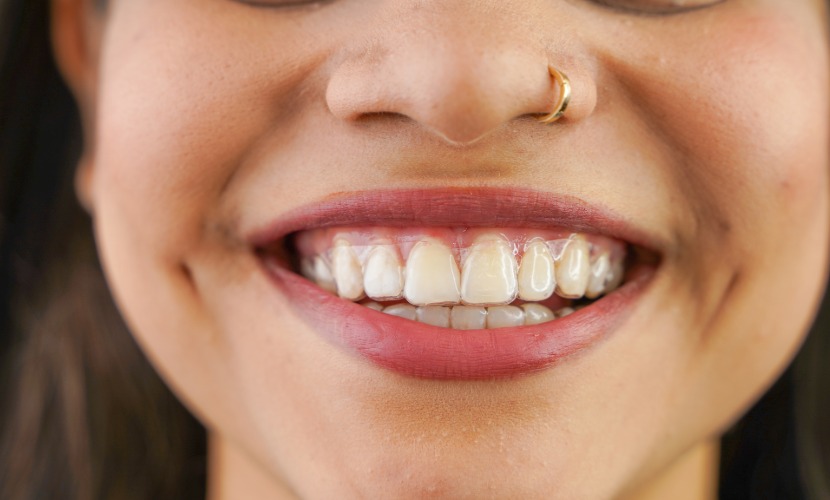
Treatment time depends on the amount and type of movement your teeth need. Your response to treatment, daily wear and any refinements also affect the schedule. Consequently, an estimated finish date needs to come from your individual assessment.
Before you commit to clear aligners in London, ask for a plan that explains the proposed treatment, expected duration and total cost. You should also understand the alternatives and what could change the estimate. Regular reviews help the clinician check progress and discuss any changes with you.
Retainers after aligner treatment
After the active treatment stage, retainers help keep teeth in their new positions. Teeth can move again, so follow your clinician’s advice on long-term wear and care. Ask whether retainers and follow-up appointments form part of your quotation.
How to confirm consultation and treatment fees
The Condor Dent prices page directs patients to reception to confirm the consultation fee when booking, including orthodontic consultations. Therefore, ask for the current fee and exactly what the appointment includes before reserving your visit.
Do not assume that a digital scan or every stage of planning is included in the consultation fee. Confirm these details with the team. Following your assessment, you will receive a personalised treatment plan and quotation based on your clinical needs.
Book a consultation for clear aligners in London
If you are weighing Invisalign against Angel Aligner, an appointment at Condor Dent in Brixton can help clarify your options. Bring your questions about suitability, daily wear, appointments and cost. The team can then explain the next steps for your case.
You can book your consultation online or contact Condor Dent on WhatsApp. When booking, confirm the current consultation price and included services with reception.
Frequently asked questions
Is Angel Aligner as good as Invisalign?
Neither brand is best for every patient. Both use digitally planned, removable trays. The appropriate choice depends on your bite, the proposed movements and your clinician’s experience. Ask why the recommended system fits your particular needs.
How long do I need to wear clear aligners each day?
Follow the daily wear time in your treatment plan. Most plans require near full-time wear, removing trays for meals and cleaning. Wearing them for less time than prescribed can delay progress or affect how well the trays fit.
Can I switch aligner brands partway through treatment?
A clinician needs to assess whether switching is appropriate. It may require new records, a fresh plan and additional costs. You cannot simply continue the same sequence with another manufacturer’s trays, so discuss any proposed change before stopping treatment.
Do clear aligners hurt?
You may feel pressure or tenderness when starting a new tray. This often settles, but discomfort varies between people. Contact your dentist if pain is severe, persists or the tray causes injury. Pain alone does not show that treatment is progressing correctly.
Is everyone a candidate for clear aligners?
No. Untreated gum disease, some complex bite problems and significant skeletal discrepancies may require a different approach. A clinical examination and the appropriate diagnostic records are needed to assess your suitability.
How much does an aligner consultation cost at Condor Dent?
Please confirm the current orthodontic consultation fee with reception when booking. This follows the clinic’s published prices page. Also ask whether scanning, planning and other services are included; your treatment quotation will depend on your individual assessment.
