Clear aligners have changed what orthodontic treatment can look like. Angel Aligner and Invisalign both offer removable, customised aligners, yet the technology behind them is not identical.
If you have been searching for teeth braces transparent options in London, the useful comparison is not brand fame. It is material behaviour, digital planning, clinical control, cost and how well the plan suits your bite.

Teeth braces transparent options: Angel Aligner vs. Invisalign at a glance
Invisalign uses SmartTrack™ material alongside SmartForce™ features and SmartStage™ treatment planning. Angel Aligner has its own digital ecosystem, including iOrtho™, and its Pro system uses two different materials in its 7+3 sequence: masterControl S™ followed by masterControl™.
Both systems are removable, discreet and digitally planned. The difference lies in how each engineers force, stages movement and supports clinical control. That is why clear aligners vs invisalign searches can oversimplify the choice.
Material science: What makes Angel Aligner different?
Material matters because an aligner must stay close to the teeth while delivering controlled force. Invisalign uses its proprietary multi-layer SmartTrack™ material, designed specifically for the Invisalign system.
Angel Aligner Pro takes a different route. Its 7+3 approach alternates two materials within a movement cycle. masterControl S™ is a multi-layer material designed to provide gentler, sustained force, while masterControl™ is a single-layer material intended for more targeted mechanical performance. The aim is to manage different phases of movement with different material properties.
That does not make Angel Aligner automatically better. Invisalign has decades of development behind its digital workflow. The practical question is which system gives your clinician the right tools for your case. Invisalign states that its clear aligner technology has been developed using insights from millions of treated smiles, while Angel Aligner continues to expand its own clinical and digital platform.
For a closer look, Condor Dent’s articleAngel Aligner: The Revolution of Invisible Aligners for Your Smile explains how digital scanning, 3D modelling and personalised planning are used in treatment.
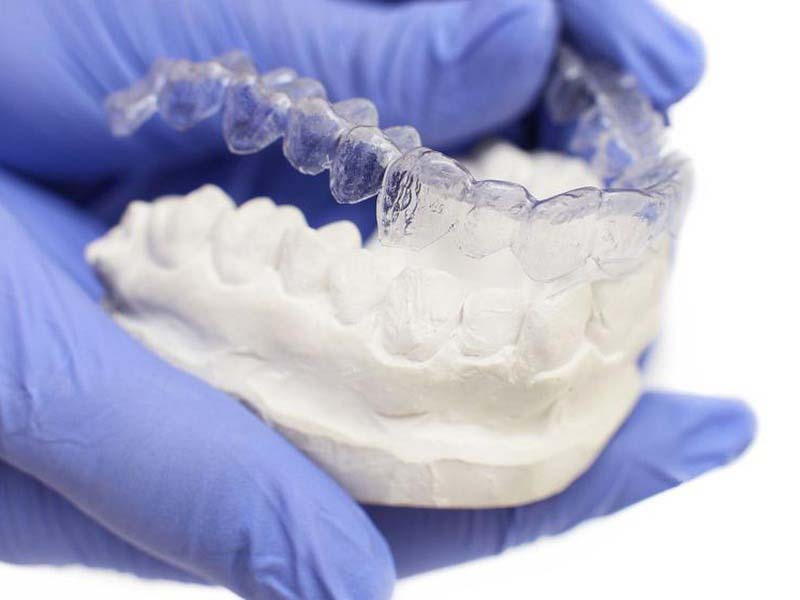
Price comparison and typical UK costs
There is no single UK price for every Angel Aligner or Invisalign case. The final fee depends on complexity, number of aligners, treatment length, refinements and what the clinic includes.
Condor Dent’s published guidance places invisible aligner treatment generally at around £2,500 to £5,000. Invisalign does not publish one fixed consumer price and advises that a trained provider must assess the teeth before confirming cost. Condor Dent also provides personalised quotations and offers finance options.
Rather than assuming one brand will always be cheaper, compare like for like: diagnostics, reviews, refinements, retainers and aftercare. A lower headline figure matters less if important stages are charged separately.
Predicting your smile with AI and 3D imaging
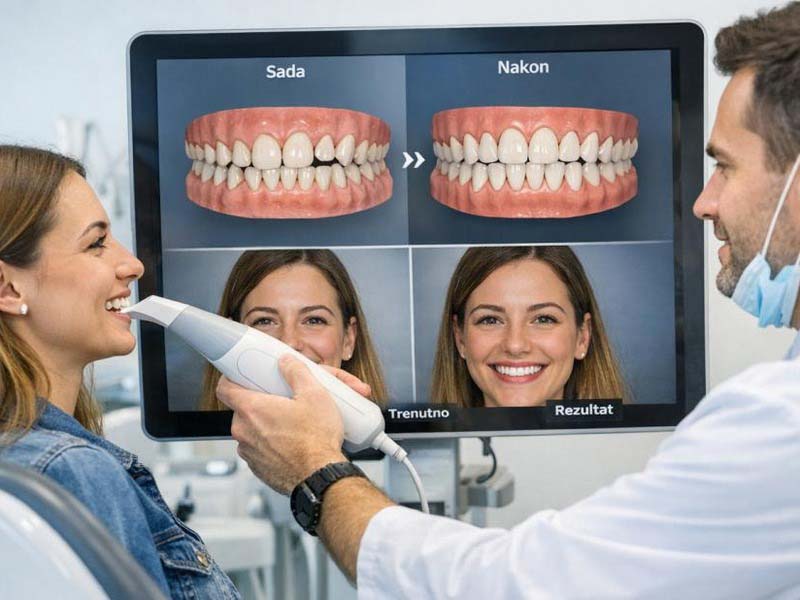
Digital planning is one of the most useful features of modern orthodontics. Invisalign clinicians can use a 3D scan and ClinCheck® software to plan and visualise tooth movement. Angel Aligner’s iOrtho™ platform also provides 3D planning and includes crown- and root-analysis tools; Angel Aligner Pro describes its planning workflow as AI-assisted.
For patients, the benefit is simple: the treatment discussion becomes more visual. You can see a planned direction before treatment starts. A simulation remains a plan, not a guarantee, so real tooth movement still needs clinical monitoring.
If genuine outcomes are part of your research, Condor Dent also shares Real Smile Transformations with Aligners: Invisalign Before and After UK with Condor Dent, showing the type of changes monitored aligner treatment can produce.
What Angel Aligner reviews UK can — and cannot — tell you
Reviews can help you judge comfort, communication and the treatment routine, but they cannot tell you whether another patient’s plan is right for you. When reading Angel Aligner reviews UK, look beyond “fast” or “easy”: diagnosis, refinements and professional monitoring matter as much as the aligner brand.
This is particularly important with orthodontics because two smiles that look similar in photographs may require very different tooth movements. Reviews are useful for understanding the patient experience; your clinical assessment should determine the treatment.
Why Condor Dent recommends Angel Aligner for faster results
Condor Dent highlights Angel Aligner as a technology-led option and notes that it may deliver faster results in some cases. Angel Aligner Pro says its dual-material 7+3 system is designed to improve biomechanical efficiency and may reduce treatment length or refinements compared with single-material approaches. This is a case-specific possibility, not a universal promise.
Dual-material force delivery in the Angel Aligner Pro 7+3 protocol.
Digital 3D planning through iOrtho™.
Root-aware planning tools for selected cases.
Treatment options for different levels of complexity.
Professional monitoring throughout treatment.
For a broader view of the treatment journey, Condor Dent’s The Invisible Orthodontic page explains its approach to invisible braces and the Angel Aligner options available at the clinic.
Which system suits the modern London patient?
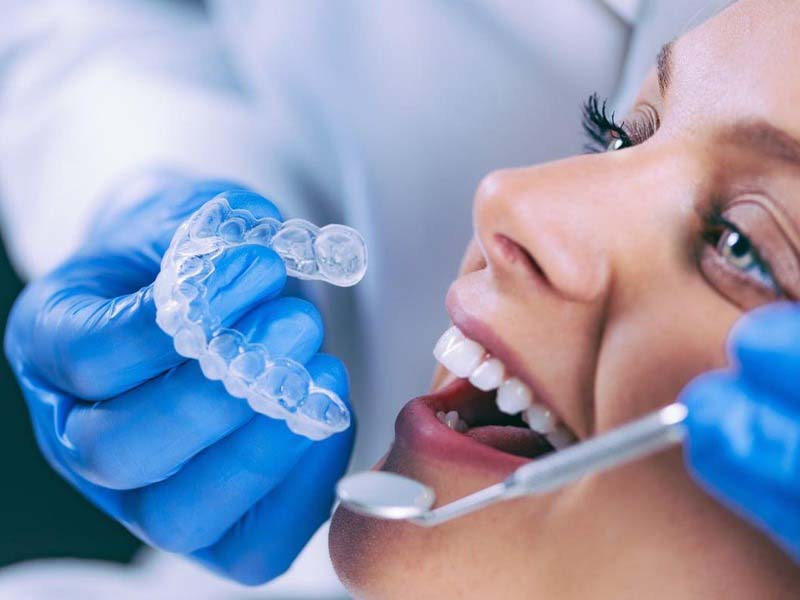
Invisalign remains a strong option for patients who value a highly established brand and mature digital ecosystem. Angel Aligner deserves consideration if you are interested in its dual-material approach and newer digital planning tools.
The search phrase best teeth straightening london may produce plenty of rankings and advertisements, but “best” is personal in orthodontics. The right system is the one that can safely address your bite, fits your lifestyle and is managed by a clinician who can explain the plan clearly.
The sensible starting point is therefore a clinical assessment, followed by a comparison of the proposed plans rather than brand recognition alone.
FAQs
Is Angel Aligner better than Invisalign?
Not universally. Both are advanced clear aligner systems. Suitability depends on your orthodontic needs, planned movements and the clinician’s strategy.
Are clear aligners really invisible?
No aligner is literally invisible, but both systems are designed to be highly discreet. Attachments used to help particular movements may still be visible at close range.
How many hours a day do I need to wear clear aligners?
Invisalign advises approximately 20–22 hours of daily wear. Condor Dent gives the same general guidance for Angel Aligner treatment. Your own clinician’s instructions should always take priority.
Is Angel Aligner treatment faster?
It can be faster in selected cases, but treatment time depends on complexity, biology, compliance and the movements required. A personalised estimate is more useful than a brand-wide promise.
How do I choose between Angel Aligner and Invisalign?
Start with a clinical assessment. Compare the treatment objective, expected duration, total fee, refinements, retention and follow-up — not just the brand name.