
Dental implants are one of the most predictable and long-lasting solutions for replacing missing teeth, but many patients still feel uncertain about what happens after surgery. One of the most common questions dentists hear is: “How long does healing actually take?”
The reality is that recovery happens gradually. While many people feel significantly better within a few days, the complete healing process continues beneath the surface for several months as the implant bonds with the jawbone.
Understanding the dental implant healing timeline can help reduce anxiety, set realistic expectations, and allow patients to recognise what is normal during each stage of recovery.
If you are considering treatment and would like personalised advice about the process, you canbook your dental implant treatment today and receive expert guidance tailored to your needs.
Read more: Dental Implant Healing Timeline: Week by Week Recovery ExpectationsFirst 48 hours
The first two days after surgery are usually the most sensitive part of recovery. During this stage, your body begins the initial healing response while the tissues around the implant stabilise.
Most patients experience:
- Mild to moderate swelling.
- Tenderness around the implant site.
- Minor bleeding.
- Slight bruising.
- Sensitivity when eating or speaking.
These symptoms are typically temporary and should gradually improve.

Managing swelling and discomfort
Applying cold compresses during the first 24 hours can help reduce swelling.
Dentists also usually recommend:
- Resting during the first day.
- Avoiding strenuous activity.
- Eating soft foods.
- Keeping the mouth clean without disturbing the surgical site.
- Taking prescribed medication as instructed.
The earliest phase of healing after implant placement focuses primarily on protecting the implant site while the gums begin repairing themselves.
Eating during the first days
Most patients feel more comfortable eating soft foods such as:
- Soup.
- Yoghurt.
- Mashed potatoes.
- Scrambled eggs.
- Smoothies eaten with a spoon.
Avoiding hard or crunchy foods helps prevent unnecessary pressure on the implant area.
Patients researching treatment options often want to understand the broader advantages and limitations of implants before surgery. This article onDental Implants in the UK: Pros, Cons, and Alternatives for a Perfect Smile offers a useful overview of implant treatment and alternative solutions.
Week 1
By the end of the first week, most visible swelling and discomfort begin to decrease noticeably.
Many patients are surprised by how quickly they start feeling more comfortable.
What typically improves
During week one:
- Swelling gradually reduces.
- Gum tissues begin closing around the implant.
- Bruising starts fading.
- Eating becomes easier.
- Pain usually becomes milder.
Although you may feel much better externally, the deeper healing process is still in its early stages.
Oral hygiene becomes very important
Keeping the implant area clean is essential to reduce the risk of infection.
Most dentists recommend:
- Gentle brushing.
- Saltwater rinses.
- Following all post-operative instructions carefully.
This stage is an important part of the overall implant healing stages, even if the implant itself still feels relatively inactive beneath the gums.
Emotional recovery matters too
Many patients experience relief during the first week because they realise the procedure was less difficult than expected.
Understanding what is normal during recovery often helps reduce stress and improve confidence in the treatment process.
Weeks 2 to 6
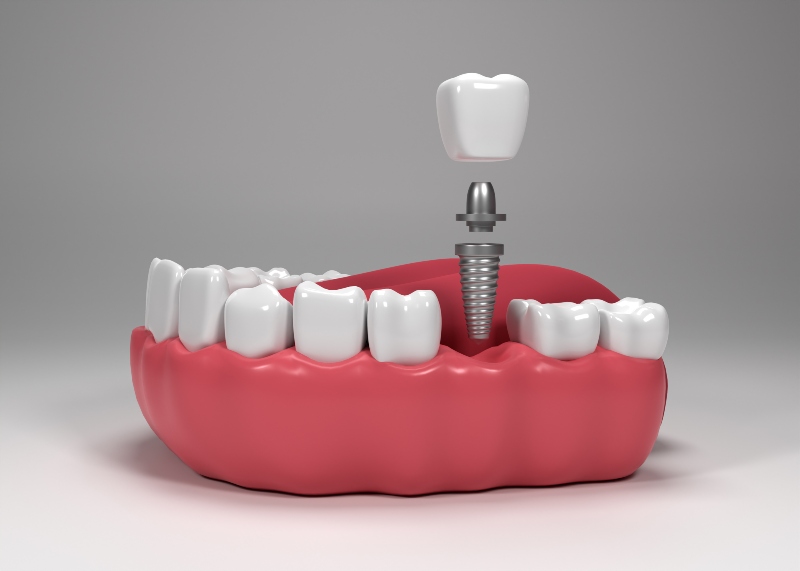
This period is often when patients feel “mostly healed” from a day-to-day perspective.
The gums continue strengthening while the implant begins the crucial process of integrating with the jawbone.
The beginning of osseointegration
One of the most important parts of the recovery process is osseointegration — the biological bonding between the implant and the surrounding bone.
The osseointegration timeline varies slightly from person to person, but this phase generally begins within the first few weeks after surgery.
During this stage:
- Bone cells gradually attach to the implant surface.
- Stability increases internally.
- Gum tissues continue maturing.
- Inflammation should continue decreasing.
What patients may notice
Most patients can return to many normal daily activities during this phase.
However, some mild sensitivity may still occur occasionally, especially when chewing firmer foods.
It is important not to assume complete healing simply because discomfort has disappeared.
The implant still requires time to integrate fully before receiving its final restoration in many cases.
Lifestyle factors matter
Smoking, poor oral hygiene, uncontrolled diabetes, or excessive pressure on the implant can interfere with recovery.
Following your dentist’s instructions carefully during this phase greatly improves the likelihood of long-term success.
Patients also often want a clearer understanding of treatment stages, costs, and financing before committing to implant surgery. This guide onDental Implants in London: Complete Guide to Prices, Steps and Finance 2025 explains the process in greater detail.
When the implant fully integrates
Complete healing usually takes several months, even though patients often feel normal much earlier.
For many people, full osseointegration occurs between three and six months after surgery, depending on:
- Bone quality.
- Implant location.
- Overall health.
- Smoking habits.
- Whether bone grafting was required.
Why this stage matters
The final stages of the dental implant healing timeline are critical because the implant must become stable enough to support chewing forces long term.
Once your dentist confirms successful integration, the final crown, bridge, or restoration can usually be attached securely.
Long-term confidence
Many patients describe this moment as life-changing because the implant finally feels like a natural part of their mouth.
The success of modern implants is strongly linked to careful healing management and ongoing oral care.
Understanding the complete implant healing stages helps patients feel more confident and prepared throughout the process.
When to call your dentist
Although most implant recoveries progress smoothly, certain symptoms should never be ignored.
You should contact your dentist if you experience:
- Severe or worsening pain.
- Persistent swelling.
- Fever.
- Pus or unusual discharge.
- Implant movement.
- Heavy bleeding.
- Difficulty swallowing.
Early professional assessment can often prevent complications from becoming more serious.
If you are considering treatment or have questions about recovery expectations, you canbook your dental implant treatment today and receive personalised care from an experienced implant team.
Final thoughts
Understanding the dental implant healing timeline can make the recovery process feel far less intimidating.
Although healing occurs gradually, most patients recover comfortably with the right care and guidance.
The different implant healing stages, including the critical osseointegration timeline, are all part of the body’s natural process of adapting to the implant after surgery.
Following professional advice, maintaining excellent oral hygiene, and protecting the implant during the early weeks all contribute to successful healing after implant placement.
With patience and proper care, dental implants can provide long-term comfort, stability, and confidence for many years.
Frequently Asked Questions
How long does dental implant healing take?
Most patients feel significantly better within one to two weeks, but full healing and osseointegration can take several months.
What is osseointegration?
Osseointegration is the process where the jawbone bonds directly with the implant surface, creating long-term stability.
Is swelling normal after implant surgery?
Yes. Mild swelling and tenderness are common during the first few days after surgery.
Can implants fail during healing?
Although uncommon, implant complications can occur if infection, excessive pressure, or poor healing interferes with osseointegration.
When can the final crown be attached?
In many cases, the final restoration is placed after successful osseointegration, usually several months after surgery.

