
Dental pain has terrible timing. It can begin halfway through a working day, wake you at 3 am or appear just before an important journey. When your usual NHS practice has no urgent appointments available, the uncertainty can feel almost as stressful as the pain itself.
A private emergency dentist London appointment may offer another route to assessment, particularly when you need prompt advice about severe toothache, swelling, dental trauma or a damaged restoration. Private care does not replace NHS 111 or emergency medical services, but it can help patients access a dentist when local NHS capacity is limited.
The important thing is to know where to turn, which symptoms cannot wait and what you can safely do before your appointment.
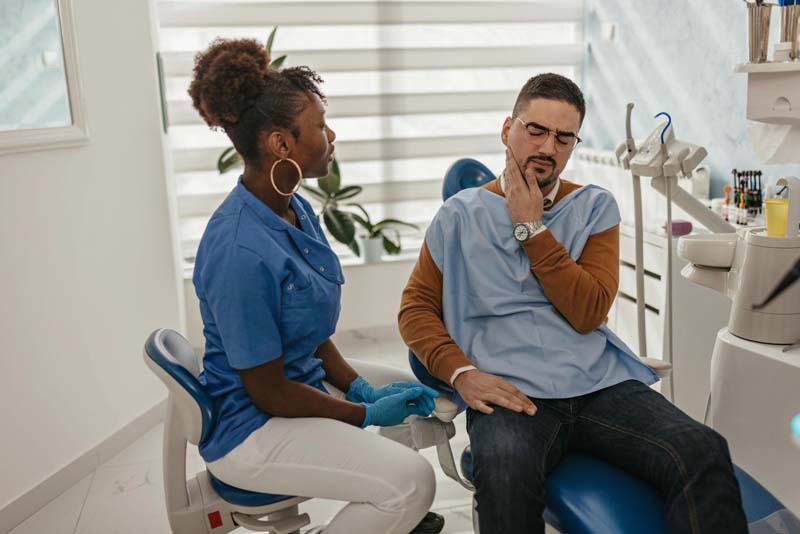
When to contact a private emergency dentist London clinic
Not every dental problem requires treatment within the hour, but persistent pain should not simply be ignored. Contact a dentist urgently when discomfort is disturbing your sleep, preventing you from eating or continuing despite appropriate pain relief.
Other reasons to request an urgent assessment include:
● A broken, cracked or knocked-out tooth.
● Increasing swelling around a tooth or gum.
● A lost crown, bridge or filling causing pain.
● Bleeding following an extraction or injury.
● A bad taste, discharge or other signs of infection.
● Severe sensitivity that appears suddenly.
● Pain when biting after trauma.
The NHS advises contacting a dentist or NHS 111 for severe dental pain, dental injuries, increasing oral swelling and broken or loose restorations. Depending on the symptoms, urgent NHS care should normally be offered within 24 hours or seven days.
Private treatment may be worth considering when you cannot obtain a suitable NHS appointment, would prefer a specific local clinic or need a clearer idea of the earliest available assessment.
Urgency vs. emergency: knowing the difference
A dental urgency needs prompt professional attention but is not necessarily life-threatening. Examples include toothache, a cracked tooth, a painful lost filling or localised swelling that is not affecting breathing.
A medical emergency is different. Go to A&E or call 999 when there is serious injury to the face or jaw, heavy bleeding that will not stop, loss of consciousness, or severe swelling affecting the mouth, lips, throat or neck.
Swelling that makes it difficult to breathe, swallow or speak must not wait for a routine dental appointment. These symptoms can require hospital care rather than treatment in a dental surgery.
When you are unsure, contact NHS 111. The service can assess the symptoms and advise whether you need urgent dental care, an out-of-hours provider or emergency medical attention.
Fast relief for tooth pain in Brixton and Elephant & Castle
Location matters when every train stop feels longer because of toothache. Condor Dent is based in Brixton, SW9, and supports patients from Brixton and surrounding areas of South London. Patients travelling from Elephant & Castle can also contact the clinic to ask about the earliest appropriate appointment.
Searching for an emergency dentist SW9 is not only about finding the closest building. You also need a team that will listen carefully, ask the right questions and explain whether the first appointment is intended to control pain, investigate the cause or complete definitive treatment.
Emergency care may involve an examination, diagnostic imaging, temporary dressing, drainage, adjustment of a damaged restoration or discussion of further treatment. The dentist needs to establish the cause before promising a solution.
Patients looking for a broader introduction to the practice can readWelcome to Condor Dent: Your Trusted Dental Clinic in London, United Kingdom, which explains the clinic’s approach, services and South London location.
What happens during a same-day emergency visit?
A same day dentist appointment usually begins with triage. The team may ask when the pain began, whether swelling is increasing, what medication you have taken and whether the tooth was injured.
At the clinic, the dentist will examine the affected area and may recommend an X-ray or another diagnostic test. The immediate priority is often to identify infection, relieve significant discomfort and prevent further damage.
Not every problem can be completed in a single visit. A temporary restoration may be placed before a crown is made, or emergency pain relief may be followed by root canal treatment at another appointment. A severely damaged tooth may require a detailed discussion about repair or extraction.
The aim of a same-day visit is therefore not to rush treatment. It is to make a timely, clinically appropriate decision. Appointment availability should always be confirmed directly with the clinic.
For more preparation advice, the 24/7 Emergency Guide for finding an emergency dentist in London explains how to respond to pain, swelling, broken teeth and other urgent problems at any time of day.
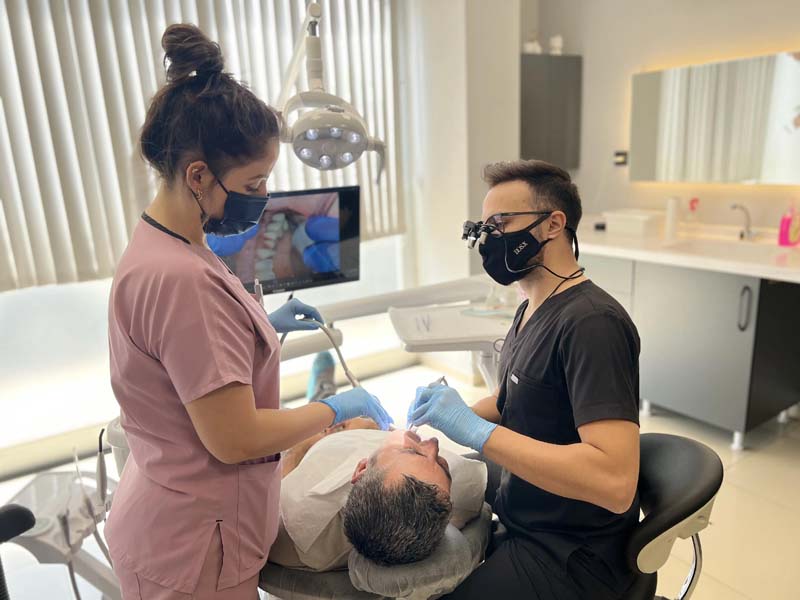
Can a broken tooth be repaired?
Many damaged teeth can be restored, but the right form of broken tooth repair depends on how much structure has been lost and whether the nerve or root has been affected.
A small chip may be smoothed or restored with filling material. A larger fracture could require the broken fragment to be reattached, a filling or a protective crown. When the inner nerve is exposed or infected, root canal treatment may be necessary.
Keep any fragment you can find. The NHS advises placing a broken piece of tooth in milk or saliva and taking it to the dentist, as it may sometimes be possible to reattach it.
Do not test the tooth by biting on it. Avoid hard food, rinse the mouth gently and contact a dental practice for advice.
Immediate steps for a knocked-out tooth
A knocked-out adult tooth is time-sensitive. Take the following steps:
- Pick up the tooth by the crown—the white part you normally see.
- Do not touch or scrub the root.
- If it is dirty, rinse it gently using milk, saline or saliva.
- Try to place it back in the socket if it goes in easily.
- Bite gently on a clean cloth to keep it in position.
- If reinsertion is not possible, store the tooth in milk or saliva.
- Request emergency dental care immediately.
- Never put a knocked-out baby tooth back into the socket.
The NHS advises that a knocked-out adult tooth should receive emergency dental attention within one hour or as soon as possible. Rapid action can improve the possibility of saving it.
24/7 availability and WhatsApp support: what Condor Dent actually offers
Condor Dent is not open 24 hours a day. Its 24/7 emergency content is designed to provide guidance patients can read at any time, while clinical appointments remain subject to the practice’s opening hours and availability.
WhatsApp can help during the initial contact. Patients may describe their symptoms and, when requested, send a photograph of visible swelling, a broken tooth or a damaged restoration. This information can help the team understand the situation, but it cannot replace a clinical examination or provide a diagnosis by message.
The clinic states that urgent appointments are offered subject to availability. Contacting the team early and explaining the symptoms clearly gives them a better opportunity to assess the level of urgency.

What to do while waiting for the dentist
Use pain relief only according to the instructions on the packaging and ask a pharmacist for advice when necessary. Paracetamol or ibuprofen may be suitable for some adults, but individual health conditions and other medicines must be considered.
Eat soft foods, avoid chewing on the painful side and stay away from very hot, cold or sugary products. A gentle warm saltwater rinse may help some adults keep the area clean.
Never place aspirin directly against a tooth or gum, as it can irritate the tissue. Do not rely on leftover antibiotics, and do not postpone assessment simply because the pain temporarily improves.
For a calmer explanation of triage and treatment, read Emergency dentist in London: immediate and stress-free care, which outlines how professional support can make an unexpected dental problem easier to manage.

Frequently asked questions
What should I do if the NHS dentist has no appointments?
Contact NHS 111 for advice or ask another dental practice whether it can provide an urgent appointment. You may also contact a private clinic, but confirm the consultation fee, availability and likely treatment costs beforehand.
Does severe toothache count as an emergency?
It requires urgent dental advice when it affects sleep or normal activities, does not respond to suitable pain relief, or occurs with swelling, fever or a bad taste. Difficulty breathing or swallowing requires emergency medical help.
Can Condor Dent guarantee a same-day appointment?
No appointment should be assumed without confirmation. Condor Dent aims to provide fast emergency assessments, but appointments are subject to clinical priority and availability.
Should I visit my GP for dental pain?
A GP cannot provide dental treatment. Contact a dentist or NHS 111 instead. Go to A&E or call 999 only when the symptoms meet emergency medical criteria.
Will an emergency dentist complete all treatment immediately?
Not always. The first visit may focus on diagnosis, controlling pain or stabilising the tooth. Definitive treatment may require a longer follow-up appointment.
