
A crowded calendar used to be an easy reason to postpone orthodontic treatment. There was always another presentation, client lunch, interview or important photograph ahead. For many London adults, however, straightening their teeth no longer means putting working life on pause.
Clear aligners—often called invisible braces—offer a discreet, removable alternative for suitable cases. They fit closely over the teeth and move them gradually through a planned sequence. Their appeal is not that nobody will ever notice them, but that treatment can sit more quietly within an adult
Why teeth braces for adults are no longer a teenage conversation
Orthodontics is not restricted to adolescence. Adults may seek treatment for crowding, gaps, protruding teeth or a bite that does not meet comfortably. Some are correcting a long-standing concern; others notice that their teeth have shifted after earlier orthodontic treatment.
The difference in adulthood is context. A patient may spend the morning speaking on camera and the evening meeting clients or friends. Fixed braces remain effective, but clear aligners can be easier to integrate into a public-facing lifestyle when the case is suitable.
They are removable for eating and cleaning, yet that flexibility comes with responsibility. Aligners only work as planned when worn according to the clinician’s instructions, and not every orthodontic problem is best treated.

Career impact of a confident smile
A smile does not determine somebody’s competence, and orthodontic treatment should never be presented as a requirement for success. Still, feeling self-conscious about the teeth can affect small professional moments: holding back in conversation, covering the mouth when laughing or avoiding a photograph after an event.
That is where professional image becomes personal rather than superficial. It is less about achieving a manufactured “perfect” smile and more about feeling comfortable when introducing yourself, speaking and being present in the room.
Clear treatment appeals to adults who want change without making orthodontics the centre of every interaction. The trays may be visible at close range, and tooth-coloured attachments may be needed, but they are generally more discreet than conventional metal brackets.

Choosing teeth straightening London treatment around real life
When people search for teeth straightening London, they are comparing more than appliances. Location, appointment access, communication and ongoing supervision all shape the experience.
A nearby clinic makes reviews easier to attend around work. It also gives patients a local team to contact if a tray is lost, an attachment comes away or the fit begins to feel unusual.
Online testimonials can help show how a clinic communicates, but invisible aligners reviews should not replace a consultation. One patient’s straightforward case may be completely different from another person’s bite. Reviews can describe service and support; diagnosis must remain individual.
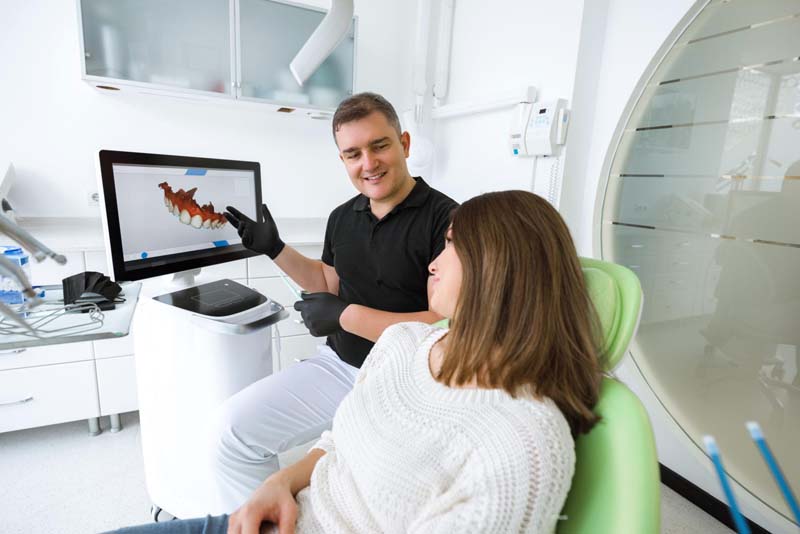
Angel Aligner: The discreet choice for SW9 professionals
Condor Dent is based in Brixton, SW9, making it practical for patients living or working in South London. The clinic offers Angel Aligner as one of its transparent, bracket-free orthodontic
Treatment begins with an assessment and digital planning rather than a standard package selected from photographs. A sequence of custom-made trays is designed to guide planned tooth movements. Patients interested in the system can explore Angel Aligner: The Revolution of Invisible Aligners for Your Smile for a closer look at the approach.
Brand recognition should never come before suitability. The right option depends on tooth position, bite, oral health, treatment goals and the patient’s ability to follow the wearing schedule.
Treatment timelines for busy schedules
There is no universal treatment time for clear aligners. A small alignment change may require fewer stages than a case involving several teeth or a more complicated bite. Progress also depends on consistent wear and attending planned reviews.
A digital plan can show the proposed sequence, but it is a clinical roadmap rather than a promise that biology will follow a diary perfectly. Teeth may respond differently than expected, and refinement aligners can sometimes be recommended.
For an overview of assessment, scanning, tray production, monitoring and retention, read Invisible orthodontics step by step: from 3D scan to final result. Understanding the process helps patients plan around travel, deadlines and social events.
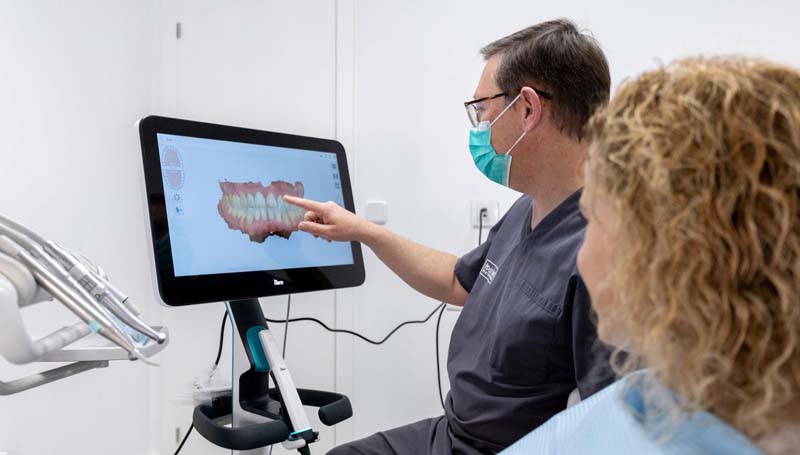
Benefits of 3D digital planning over traditional moulds
Depending on the clinical situation, digital planning may provide:
● A detailed digital model without trays of impression material.
● A visual simulation of proposed tooth movements.
● Measurements that support personalised aligner design.
● Easier comparison between the starting position and later progress.
● Digital records that improve communication with the laboratory.
A simulation is not a guaranteed final result. Its value lies in helping the clinician plan and the patient understand the proposed direction of treatment. Condor Dent describes this digital workflow as a way to map tooth movement, personalise the treatment plan and give patients a clearer view of the proposed pro
When straightening is part of a wider smile plan
Some adults consider orthodontics alongside treatment for missing, worn or heavily restored teeth. In these cases, sequencing matters: creating space, improving tooth positions and stabilising the bite may need to happen before restorative work begins.
Is invisible orthodontics right for your working life?
The best treatment is not simply the least visible option. It is the one that can move the teeth safely, address the bite and be followed consistently. Clear aligners may suit someone who values discretion and can manage removing, cleaning and replacing the trays throughout the day. Fixed braces may be more appropriate for someone else.
A consultation should cover suitability, duration, fees, possible refinements, retainers and what happens if treatment does not progress exactly as planned. To discuss these points with the Condor Dent team, you can book your orthodontic treatment and begin with an individual assessment.
Frequently asked questions
Are clear aligners genuinely invisible?
They are transparent and discreet, but not completely invisible. Attachments may be placed on some teeth, and the trays can sometimes be noticed at close range.
Can I remove aligners for a presentation or interview?
They are removable, but frequent or extended removal can affect progress. Ask your clinician how to manage an important event without compromising the prescribed routine.
Are aligners suitable for every adult?
No. Suitability depends on the teeth, bite, gum health and complexity of the required movements. Some cases may be better treated with fixed braces or a combined approach.
Will I need retainers after treatment?
Retainers are normally essential for maintaining the new tooth positions. Your clinician should explain which type is recommended and how often it must.

