
“Am I too old?”, “What if I have been told I do not have enough bone?” or “Can I have implants if I smoke?” These are far more common questions than many patients realise.
The short answer is that suitability for dental implants rarely depends on one single factor. There is no simple pass-or-fail rule based only on age, bone loss or smoking. A dentist needs to consider the whole picture: general health, gum condition, available bone, medication, habits, oral hygiene and the specific area that needs to be restored.
That is why identifying suitable candidates for dental implants always begins with an individual assessment rather than a general rule. At Condor Dent, this process includes a clinical examination, medical history review, diagnostic imaging and personalised treatment planning before any recommendation is made.

Candidates for dental implants: what is actually assessed?
A dental implant needs a stable foundation and an oral environment that can heal properly.
During the assessment, the dentist will look at the gums, remaining teeth, bite and the amount of bone available. General health, medication, smoking habits and previous dental problems are also reviewed because they may influence both surgery and the way the implant integrates afterwards.
This means that two people of exactly the same age may receive completely different recommendations. One patient may have healthy gums, sufficient bone and favourable conditions to proceed, while another may need periodontal treatment or another preparatory procedure first.
Condor Dent’s Dental Implants London page explains this journey in more detail: assessment, scanning and diagnosis, treatment planning, implant placement, healing, final restoration and long-term maintenance. The aim is not to fit every patient into the same solution, but to establish which treatment makes sense for that particular mouth.
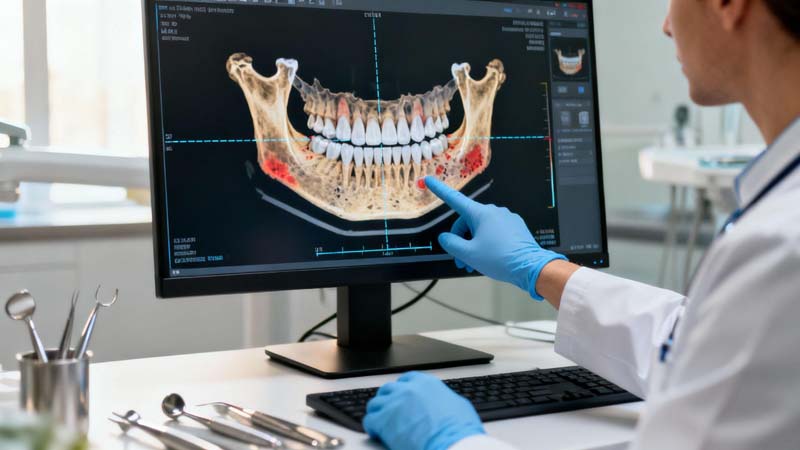
Dental implants for seniors
One of the most common concerns is whether there is an age at which dental implants are no longer possible.
Current evidence does not support using older age alone as an automatic reason to rule out implant treatment. Research has shown that implants can be a predictable option in older adults, including patients over the age of 75, provided their overall health, oral condition, bone and ability to maintain good hygiene are suitable.
So, talking about dental implants for seniors does not automatically mean talking about higher-risk treatment.
A 75-year-old patient with well-controlled medical conditions, good oral hygiene and suitable bone may be a good candidate, while a much younger patient with active gum disease, poorly controlled medical issues or heavy smoking may need a different approach.
Long-term maintenance also matters. Dental implants require daily cleaning and regular professional reviews. The decision should therefore consider not only whether an implant can be placed, but whether it can be maintained properly in the years that follow.
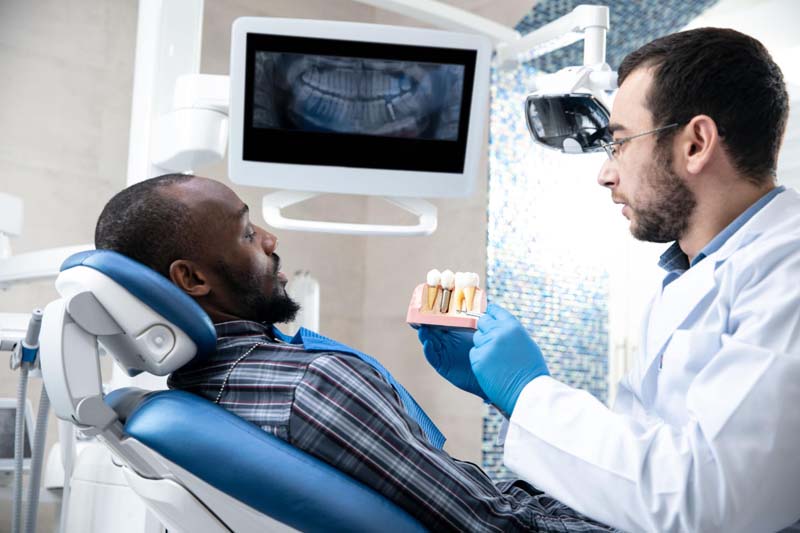
What happens if I have bone loss?
“I have been told I do not have enough bone” can sound like a final answer. It is not always one.
After a tooth is lost, the bone in that area can gradually reduce over time. Conventional implants need suitable bone volume and quality to provide support and stability. When there is not enough bone, a grafting or bone augmentation procedure may sometimes be considered before or during implant treatment.
Condor Dent explains that some patients may need bone grafting before an implant is placed and that bone quantity and quality can also influence whether options such as a single implant, All-on-4 or All-on-6 may be appropriate.
This does not mean that every form of bone loss can be treated in the same way. The amount, location and anatomy of the missing bone vary from person to person, so each case needs to be assessed with a clinical examination and suitable imaging.
The more useful question is therefore not simply, “Do I have too little bone?”, but “How much bone is available, where is it, and what options are suitable for my case?”
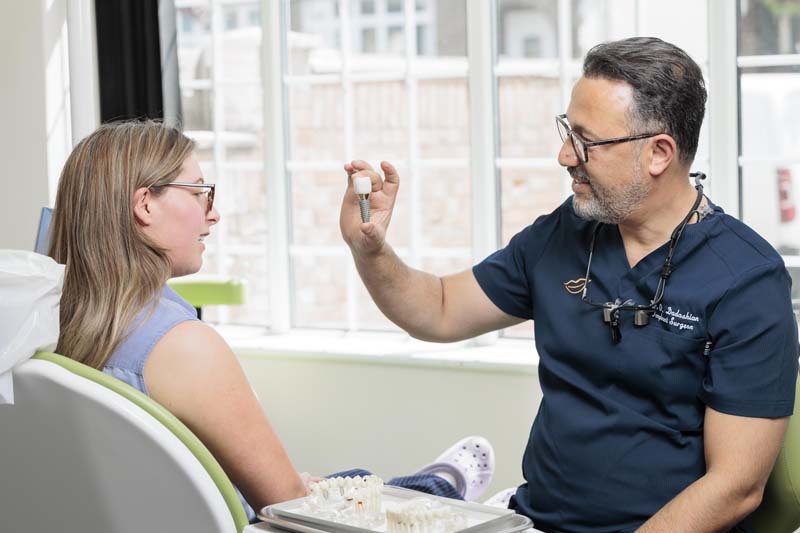
Smoking and dental implants: what you need to know
Smoking deserves a particularly clear conversation.
Being a smoker does not automatically mean that dental implants are impossible, but it should never be treated as an irrelevant detail. Research has consistently associated smoking with a higher risk of implant complications and early implant failure.
That is why, when discussing dental implants for smokers, the issue is not simply how many cigarettes someone smokes. The dental team also needs to consider gum health, smoking frequency, medical history, healing capacity and whether the patient is willing to reduce or stop smoking around the time of treatment.
Condor Dent includes smoking as one of the factors reviewed during the initial implant assessment and advises patients to avoid smoking during the recovery period after implant surgery.
It is important not to hide this habit during your consultation. The purpose is not to judge you, but to plan treatment with a realistic understanding of your personal risk factors.
How we assess implant suitability at Condor Dent
Suitability for implants should not be decided from photographs sent by phone, nor purely on the basis of treatment price.
At Condor Dent, the process begins by understanding what has happened to your teeth, what you would like to achieve and what your medical and dental situation looks like. Digital records and diagnostic imaging may then be used to assess the jaw and the structures surrounding the proposed implant position.
From there, the team can determine whether treatment may be carried out directly, whether preparatory treatment is needed or whether another restorative option may be more appropriate.
This face-to-face assessment becomes even more important when comparing local care with treatment abroad. Condor Dent’s guide to dental implants in the UK versus dental tourism explains that suitability can depend on factors such as bone levels, gum health, smoking, certain medical conditions and the bite, while also highlighting the importance of follow-up care once healing begins.

What if I am suitable but worried about the cost?
Being clinically suitable for an implant and being able to manage the financial cost are two separate issues.
Before considering finance, there should first be a diagnosis and a sufficiently detailed treatment quotation. Costs can change if bone grafting, extractions, several implants or a more extensive restoration are required.
For patients who would prefer to spread the expense, Condor Dent’s guide to monthly dental implant payments in the UK explains how financing works, what should be included in a quotation and why it is worth comparing APR, repayment term and total amount payable rather than looking only at the monthly instalment. Finance is subject to approval and the lender’s eligibility criteria.

Frequently asked questions about candidates for dental implants
Is there a maximum age for dental implants?
Chronological age alone is not usually considered a sufficient reason to rule out implant treatment. General health, gum condition, available bone, medication and the ability to maintain good oral hygiene are more important factors in an individual assessment.
Can I have implants if I am 70 or 80?
Potentially, yes. Available evidence shows favourable results in many older patients, but medical and dental conditions should always be assessed individually before treatment is recommended.
Can I have implants if I have lost a lot of bone?
In some cases, yes. Bone augmentation or grafting may be considered where additional volume is needed, or the implant plan may be adapted to the anatomy that is available. The correct approach depends on diagnostic findings.
Can I have an implant if I smoke?
Smoking does not automatically exclude every patient from implant treatment, but it is linked to a higher risk of complications and implant failure. You should tell your dentist about your smoking habits so that your individual risk can be assessed and appropriate advice given.
Which medical conditions can affect my suitability?
Your medical history should always be reviewed before implant surgery. Certain conditions and medicines can affect healing or alter the treatment plan, but their significance depends on the individual situation. You should never stop prescribed medication on your own in order to have an implant.
How can I know for certain whether I am a candidate?
The appropriate way to find out is through a clinical assessment together with any diagnostic tests that are needed. An online questionnaire or symptom list may offer general guidance, but it cannot replace an examination of your mouth, gums and bone.
Book your implant suitability assessment
Being older, having bone loss or smoking does not, on its own, provide a complete answer.
What matters is understanding which factors are present, which can be improved and what type of treatment may be carried out with realistic expectations.
At Condor Dent, the assessment of candidates for dental implants begins with medical history, oral health, diagnostic imaging and personalised planning. If your gums need treatment first, your bone needs further assessment or certain habits should be addressed, knowing this before surgery allows you to make a much better-informed decision.
Book an implant assessment in London to find out what may be possible in your case. The question should not simply be, “Can I have dental implants?” but, “What would I need for implant treatment to be suitable for me?”

