
Being told you have bone loss can feel like the end of the road for dental implants. But in reality, it’s often just the beginning of a more tailored treatment plan.
Today, dental implants with bone loss are not only possible, but increasingly common thanks to advances in modern dentistry. The key lies in understanding your specific condition and exploring the right options.
If you’re based in London and considering implants, here’s what you need to know before making a decision.
Why bone loss happens
Bone loss in the jaw doesn’t happen overnight. It’s usually a gradual process linked to several common factors.
The most frequent causes include:
- Missing teeth over time, leading to lack of stimulation in the jaw
- Gum disease (periodontitis) damaging bone structure
- Long-term denture use, which doesn’t stimulate the bone
- Infections or trauma affecting the jaw
Once a tooth is lost, the surrounding bone begins to shrink. This is why many patients worry that low bone density implants might not be an option.
However, the presence of bone loss doesn’t automatically disqualify you — it simply means a more personalised approach is needed.
For those exploring solutions in the capital, clinics offering dental implants London often specialise in treating complex cases like these.
How dentists assess bone levels
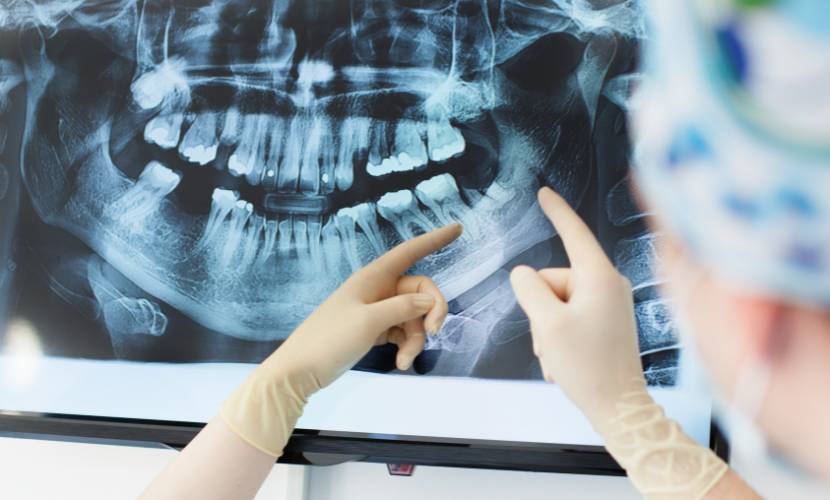
Before recommending treatment, dentists carry out a detailed assessment of your bone structure.
This typically involves:
- 3D imaging (CBCT scans) to measure bone volume
- Evaluation of bone density and quality
- Checking the location of nerves and sinuses
- Reviewing your overall oral and medical health
These scans allow clinicians to determine whether implants can be placed directly, or if additional procedures are required.
If you’re curious about how implant planning works in detail, this guide on Everything You Need to Know About Dental Implants: Answering Your Questions explains the full process step by step.
Bone graft and other options
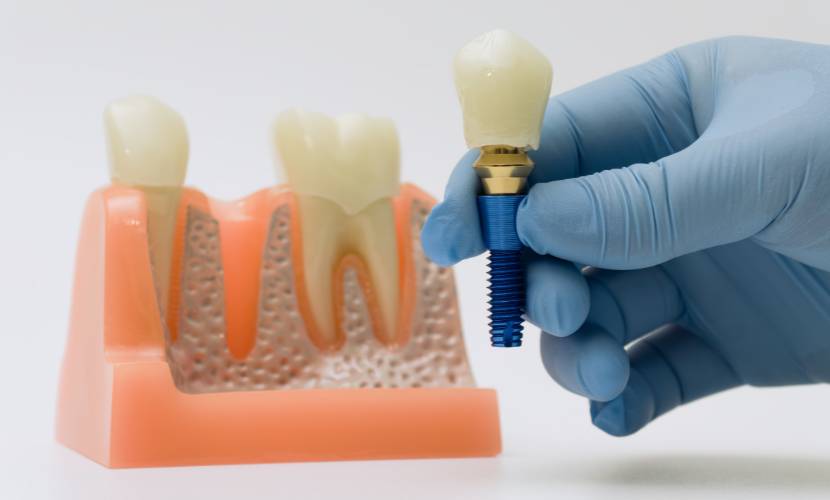
One of the most common solutions for dental implants with bone loss is a bone graft for dental implants.
This procedure involves adding bone material to strengthen the jaw and create a stable foundation for implants.
Depending on your case, options may include:
- Minor bone grafts, done alongside implant placement
- Major grafting procedures, requiring healing time before implants
- Sinus lift implants, used when bone is insufficient in the upper jaw
A sinus lift raises the sinus membrane to allow new bone to form, making implant placement possible where it otherwise wouldn’t be.
For patients with low bone density implants concerns, these techniques can make a significant difference.
And thanks to advances in materials and techniques, recovery times are often shorter and outcomes more predictable than in the past.
If you’re considering treatment in the UK, this article on Why London is the Best City for Dental Implants in the UK highlights why many patients choose London for complex implant cases.
When full mouth solutions may be considered
In cases of severe bone loss, individual implants may not always be the most efficient approach.
Instead, dentists may recommend:
- Full arch restorations (All-on-4 / All-on-6)
- Strategically placed implants using available bone
- Fixed bridges supported by fewer implants
These solutions are designed to maximise existing bone while restoring full function and aesthetics.
Patients who initially believed implants weren’t possible often find that these approaches open new possibilities.
If you’re exploring advanced solutions, visiting a specialist clinic for dental implants London can help clarify which option suits your case.
Recovery considerations

Recovery is an important part of any implant journey, especially when additional procedures like grafting are involved.
What to expect:
- Mild swelling or discomfort in the first few days
- Healing periods ranging from a few weeks to several months (depending on the procedure)
- Gradual integration of the implant with the bone (osseointegration)
Patients undergoing bone graft for dental implants or sinus lift implants may require a longer healing phase, but this is essential for long-term success.
Your dentist will guide you through every stage to ensure optimal healing.
FAQ – Dental implants with bone loss
Can I get dental implants if I have bone loss?
Yes, many patients with dental implants with bone loss concerns can still receive treatment with the right preparation.
What is a bone graft for dental implants?
It’s a procedure that rebuilds bone in the jaw to support implants.
Are low bone density implants safe?
Yes, when properly planned, low bone density implants can be highly successful.
What are sinus lift implants?
They are procedures used to increase bone in the upper jaw by lifting the sinus membrane.
How long does recovery take after bone grafting?
It varies, but typically between a few weeks and several months depending on the case.
Conclusion: Bone loss doesn’t mean no options
If you’ve been told you have bone loss, it doesn’t mean implants are off the table.
Modern dentistry offers multiple solutions — from bone graft for dental implants to advanced techniques like sinus lift implants — making treatment possible for many patients.
The key is proper assessment, expert planning, and choosing the right clinic.
👉 If you’re ready to explore your options, start with a consultation at a clinic specialising indental implants London and discover what’s possible for your smile.

