
One of the most common questions patients ask before committing to treatment is simple: how long do dental implants last?
It’s a fair concern. Dental implants are an investment — not just financially, but in your comfort, confidence, and quality of life. The good news is that implants are designed to be a long-term solution. But like anything in healthcare, their longevity depends on several key factors.
If you’re considering treatment in London, understanding what influences implant lifespan can help you make a more informed decision.
Average implant lifespan
So, how long do dental implants last in real terms?
In many cases, the implant itself — the titanium post placed in the bone — can last 20 years or more, and often even a lifetime with proper care.
However, it’s important to distinguish between different parts of the implant:
- The implant (root): long-term or lifetime durability
- The crown (visible tooth): may need replacement after 10–15 years
- Supporting components: occasionally replaced due to wear
Patients exploring options through clinics offering dental implants London are often reassured to learn that implants are among the most durable solutions available in modern dentistry.
What affects longevity
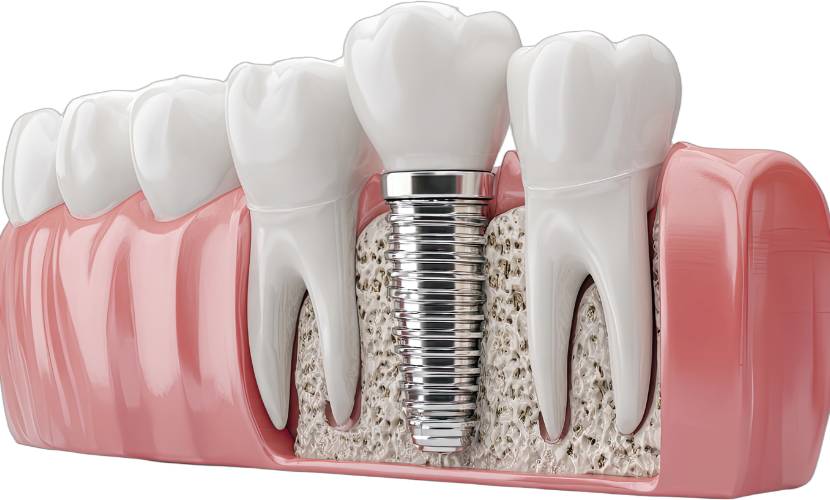
While implants are built to last, their success is not entirely passive. Several factors influence overall implant lifespan.
These include:
- Oral hygiene habits
- Smoking or lifestyle factors
- General health conditions (e.g. diabetes)
- Bone quality and density
- Bite pressure and teeth grinding (bruxism)
- Quality of the implant and placement technique
Even the most advanced implants can fail prematurely if these factors aren’t managed properly.
That’s why choosing a reputable clinic is essential. If you’re researching providers, this guide onBest Dental Implants in the UK can help you understand what to look for in terms of quality and expertise.
Daily care and hygiene
If you’re wondering how to make implants last, daily care is one of the most important pieces of the puzzle.
Dental implants don’t decay like natural teeth, but they are still vulnerable to gum disease and inflammation if not properly maintained.
A good routine includes:
- Brushing twice a day with a soft-bristled toothbrush
- Cleaning between teeth with floss or interdental brushes
- Using recommended mouthwash if advised
- Attending regular dental check-ups
This is where dental implant maintenance becomes essential.
Patients who treat their implants like natural teeth — or better — often enjoy decades of use without complications.
If you want a deeper understanding of long-term care, this article on How Long Do Dental Implants Last and How to Ensure Their Longevity? provides additional insights.
Clinics specialising in dental implants London also offer tailored maintenance plans to help patients protect their investment.
When components may need replacement
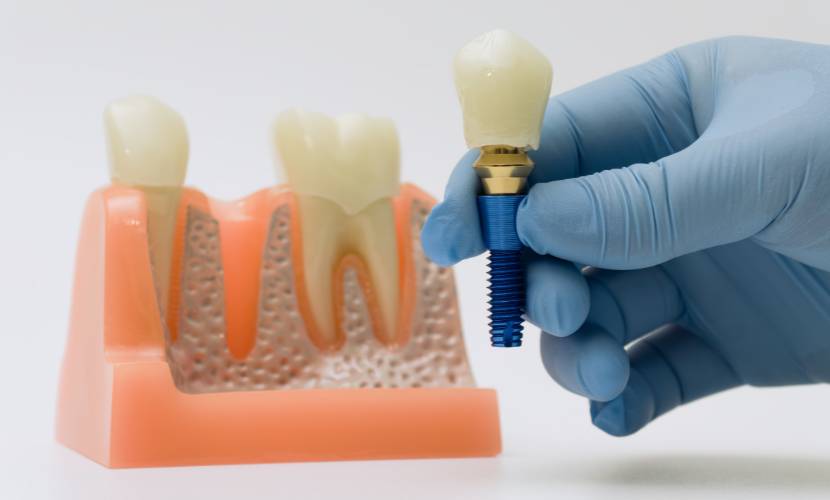
Even though the implant itself is highly durable, other components may require attention over time.
Common scenarios include:
- Crown wear or damage
- Loose abutments (connecting parts)
- Changes in bite alignment
These issues are usually manageable and don’t mean the implant has failed.
In fact, replacing a crown is a relatively straightforward procedure compared to the original implant placement.
Understanding this distinction helps set realistic expectations about long-term implant lifespan.
Signs you should book a review
Regular check-ups are essential, but certain signs should prompt an earlier visit.
Watch out for:
- Discomfort or pain around the implant
- Bleeding or swollen gums
- A feeling that the implant is loose
- Difficulty chewing
- Changes in bite
Early intervention can prevent minor issues from becoming major problems.
FAQ – How long do dental implants last
Do dental implants last forever?
While not guaranteed to last forever, many implants can last decades with proper dental implant maintenance.
What is the average implant lifespan?
The implant itself can last 20+ years, while the crown may need replacement after 10–15 years.
How can I make my implants last longer?
Good hygiene, regular dental visits and avoiding harmful habits are key to how to make implants last.
Can implants fail over time?
Yes, but failures are often linked to poor maintenance or underlying health factors.
Are implants better than other tooth replacement options?
In many cases, yes — especially for long-term durability and function.

Conclusion: Longevity depends on care and planning
So, how long do dental implants last?
The honest answer is: it depends — but with the right care, they can last for decades and even a lifetime.
The combination of high-quality materials, expert placement, and proper maintenance makes implants one of the most reliable solutions available today.
👉 If you’re considering treatment, speaking with a specialist in dental implants London is the best way to understand what lifespan you can expect in your specific case.
