
If you smoke and are considering dental implants, you’ve probably wondered whether the two can realistically go together. It’s a valid concern — and one that dentists hear almost every day.
The relationship between smoking and dental implants is complex. While smoking doesn’t automatically rule out treatment, it does introduce factors that can affect healing, long-term stability, and overall success.
So, can implants still work if you smoke? The answer is yes — but with important caveats.
Why smoking affects implants
Dental implants rely on a biological process called osseointegration — where the implant fuses with the jawbone. Smoking interferes with this process in several ways.
Nicotine reduces blood flow, which limits oxygen supply to the tissues. This affects how the body heals after surgery and how effectively the implant bonds with the bone.
In addition, smoking:
- Increases inflammation in the gums
- Slows down tissue regeneration
- Raises the risk of infection
- Impacts immune response
For patients considering smokers dental implants, these factors don’t necessarily prevent treatment — but they do require careful planning.
That’s why clinics specialising in dental implants London often assess smoking habits as part of the initial consultation rather than making immediate exclusions.
Failure risks and healing
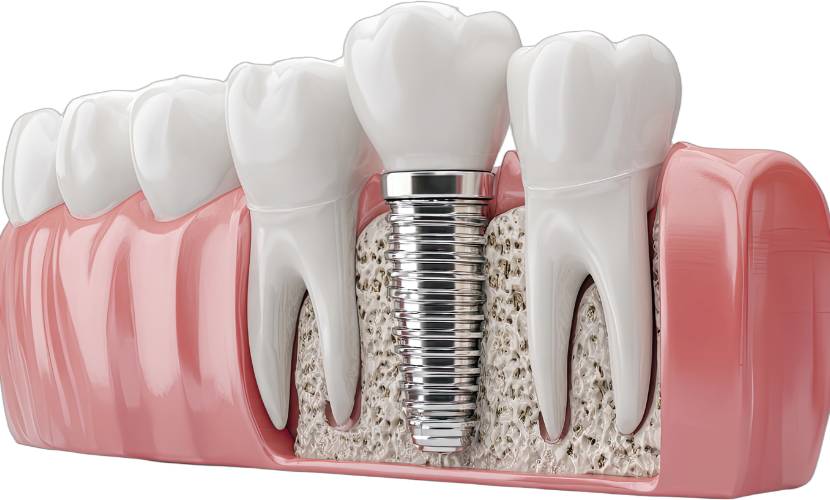
One of the most discussed concerns is implant failure smoking cases — and for good reason.
Research shows that smokers have a higher risk of implant failure compared to non-smokers. The main reason is impaired healing during the early stages after surgery.
The first few weeks are critical. During this time:
- The implant begins integrating with the bone
- Soft tissues start healing around the site
- The risk of infection is highest
Smoking during this phase can disrupt all three processes.
However, it’s important to keep perspective. Many smokers still have successful outcomes, especially when the treatment is properly managed.
If you’re exploring different treatment approaches, this guide onThe ultimate guide to dental implants in the UK: costs and everything you need to know provides a broader understanding of how implants work and what influences success rates.
How to improve success
The good news is that there are ways to significantly improve the outcome of smoking and dental implants cases.
Dentists often recommend:
- Reducing smoking frequency before treatment
- Temporarily stopping smoking during healing
- Maintaining excellent oral hygiene
- Attending regular follow-up appointments
- Using prescribed antimicrobial mouthwashes
Even small changes can make a noticeable difference.
For some patients, quitting before implant surgery — even temporarily — can dramatically increase the chances of success.
In certain cases, your dentist may also adapt the treatment plan, such as using specific implant types or techniques designed for higher-risk patients.
If you’re considering more advanced solutions, this article onUnderstanding All-on-4 Dental Implants: A Comprehensive Guide explores options that may be suitable in more complex situations.
When your dentist may advise waiting
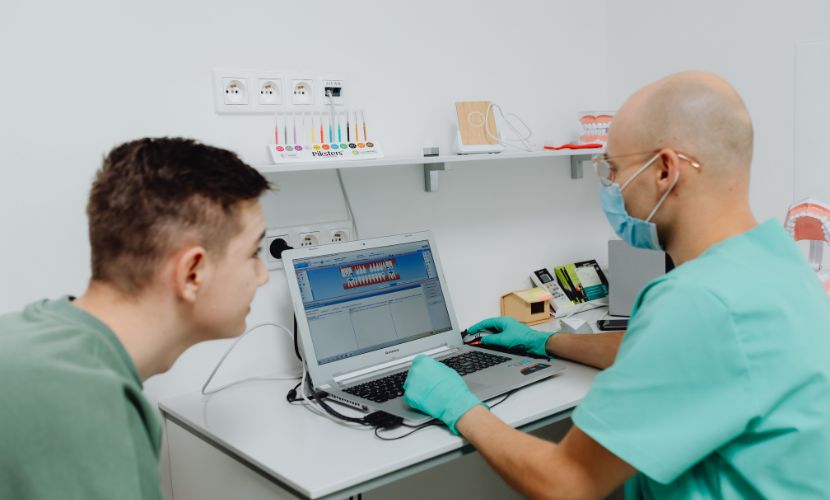
There are situations where your dentist might recommend postponing treatment.
This doesn’t mean implants aren’t possible — it simply means the timing isn’t ideal.
You may be advised to wait if:
- You are a heavy smoker
- There are signs of active gum disease
- Healing capacity is compromised
- Other health factors increase risk
In these cases, improving oral health or reducing smoking levels can make a significant difference.
Clinics offering dental implants London typically focus on creating the best possible conditions before moving forward with treatment.
Practical pre-surgery advice
If you’re planning implants and currently smoke, preparation is key.
Here are some practical steps:
- Avoid smoking at least 48–72 hours before surgery
- Aim to stop for at least 1–2 weeks after the procedure
- Stay hydrated to support healing
- Follow all post-operative care instructions
- Be honest with your dentist about your habits
Even temporary changes can have a strong impact on healing and long-term success.
FAQ – Smoking and dental implants
Can smokers get dental implants?
Yes, many patients seeking smokers dental implants can still undergo treatment, although risks are higher.
Does smoking cause implant failure?
Smoking increases the risk of implant failure smoking, particularly during the healing phase.
Should I quit smoking before implant surgery?
Yes, quitting before implant surgery — even temporarily — improves healing and success rates.
How long should I stop smoking after implants?
Dentists usually recommend at least 1–2 weeks, though longer is always better.
Are there alternatives for smokers?
Yes, in some cases alternative treatments may be considered depending on your oral health.

Conclusion: It’s about management, not perfection
If you smoke, dental implants are not necessarily off the table — but they do require a more careful approach.
The connection between smoking and dental implants is real, but manageable with the right guidance and preparation.
Ultimately, success depends on:
- How much you smoke
- Your overall health
- Your willingness to follow professional advice
👉 If you’re considering treatment, the best next step is to speak with a specialist in dental implants London and receive a personalised assessment based on your situation.
