
Getting a dental implant is a major decision — one that can transform both your oral health and your confidence when you smile. Yet, it’s natural to have questions: what exactly does the dental implant procedure involve? How long does the implant healing time take? What should you expect throughout the process?
In this complete and honest guide, we’ll explain step by step what happens before, during and after a dental implant, helping you make informed decisions if you’re considering treatment in the UK or abroad.
Before the implant: preparation and accurate diagnosis
The success of an implant begins long before the surgery. Everything starts with a comprehensive assessment, where the dentist examines the condition of your gums, bone and bite.
1. Initial evaluation
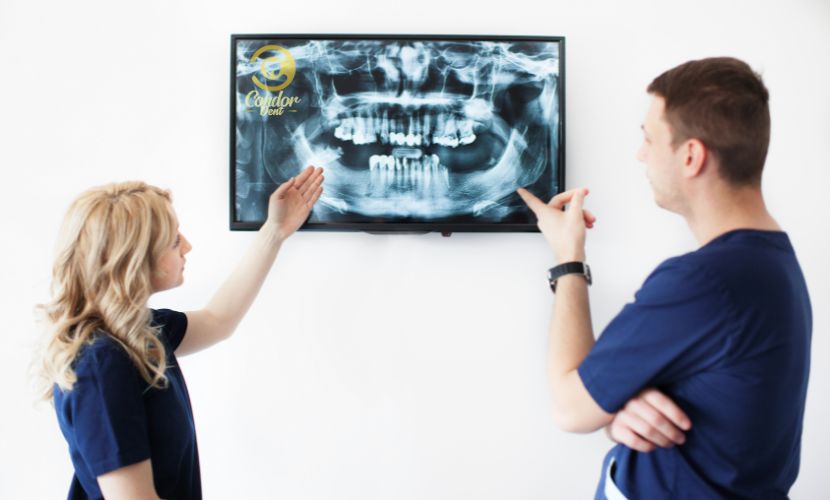
At your first visit, the dentist will perform a full oral examination, including X-rays or 3D scans. These images show whether you have enough bone to support the implant. In some cases, a bone graft may be required before treatment.
Modern dental practices often use 3D dental surgery technology to create a digital model of your mouth. This allows for a highly precise plan, reducing risks and recovery time while ensuring excellent aesthetic results.
2. Personalised treatment plan
Based on the diagnostic findings, the specialist will design a customised treatment plan. This includes selecting the right type of implant, the crown material, and establishing a realistic treatment timeline.
For a more detailed overview of options and prices, have a look at:
👉 The ultimate guide to dental implants in the UK: costs and everything you need to know
During the implant: what happens on the day of surgery
The dental implant procedure is usually carried out under local anaesthetic and takes between 30 and 90 minutes, depending on how many implants are being placed.
1. Implant placement
The dentist makes a small incision in the gum to access the bone and place a titanium screw, which acts as the artificial root. When performed using 3D dental surgery, the process is faster, more accurate and minimally invasive.
2. Osteointegration period

Once the implant is in place, it must fuse naturally with the bone in a process known as osteointegration. This phase can take between three and six months. During this time, a temporary crown or bridge is often fitted for comfort and appearance.
3. Final crown placement
When the implant is fully integrated, a custom-made permanent crown is attached, achieving a look and feel identical to a natural tooth.
Looking for a trusted practice to begin your journey?
👉 Looking for dental implants in London?

Ready to Start Your Dental Implant Journey in London?
Once you understand what happens before, during and after treatment, the next step is choosing a clinic that can assess your case properly and guide you with a personalised plan. If you are actively considering dental implants in London, a consultation can help you confirm your suitability, compare treatment options and get a clearer idea of the expected timeline, recovery and cost.
At Condor Dent, every implant journey starts with a detailed diagnosis and honest advice, so you know exactly what to expect before committing to treatment. Whether you need to replace one tooth, several teeth or are exploring a more complete restoration, our dental implants in London service is designed to help you move forward with confidence and a clear treatment plan.
After the implant: recovery and aftercare
The dental surgery recovery period is just as important as the procedure itself. While every patient heals at their own pace, following your dentist’s post-operative instructions is essential for a smooth recovery.

1. First days: rest and care
During the first 24–48 hours, you may experience mild swelling or tenderness. Applying cold compresses, maintaining excellent oral hygiene, and avoiding very hot or hard foods can help ease discomfort.
Painkillers or antibiotics prescribed by your dentist should be taken as directed to prevent complications.
2. Diet and habits
Stick to soft foods — soups, yoghurts, mashed vegetables — and avoid smoking or drinking alcohol during the first week. Both habits can delay healing and affect the success of your implant.
3. Follow-up visits and maintenance
Regular check-ups will allow your dentist to monitor the implant healing time and ensure the bone integrates properly. With good hygiene and routine check-ups every six months, your implants can last for decades.
Want to explore the pros and cons of different options? Read:
👉 Dental Implants in the UK: Pros, Cons, and Alternatives for a Perfect Smile
Realistic expectations: what people rarely mention
- Results aren’t instant — but they are long-lasting. The bone needs time to integrate with the implant, and patience is part of the process.
- Not everyone is a candidate. Smokers or people with untreated gum disease or significant bone loss need extra assessment before treatment.
- Implants feel natural. Once healed, they look and function like your own teeth, letting you eat, speak and smile confidently again.
FAQs: common questions about dental implants
Does the dental implant procedure hurt?
No. It’s done under local anaesthetic, and most patients only feel mild pressure. Afterwards, slight discomfort may appear but usually subsides in a few days.
How long is the implant healing time?
It varies, but the initial recovery takes around one to two weeks, while full bone integration can take up to six months.
When can I eat normally again?
After three or four days, you can gradually reintroduce solid foods — always following your dentist’s advice.
What are the benefits of 3D dental surgery?
It provides a highly accurate, minimally invasive treatment plan, reducing trauma and speeding up recovery.
How long do dental implants last?
With proper oral care and professional maintenance, implants can last 20 years or even a lifetime.
Conclusion: an investment in health and confidence
A dental implant procedure is much more than a cosmetic fix — it’s an investment in health, comfort and confidence. Thanks to innovations like 3D dental surgery, modern implants offer natural results and long-term stability.
With the right aftercare and a successful dental surgery recovery, you’ll enjoy a strong, beautiful smile for years to come — and most importantly, the freedom to eat, speak and laugh without hesitation.
