
Dental implants are considered one of the most reliable and long-lasting solutions for replacing missing teeth. In most cases, they heal successfully and function like natural teeth for many years. However, like any medical or dental procedure, complications can occasionally occur.
Recognising the early signs of failed dental implant treatment is extremely important because prompt care can often prevent more serious problems from developing.
Many patients worry unnecessarily about normal healing symptoms, while others ignore warning signs that should be assessed professionally. Understanding the difference between expected recovery and genuine complications can help protect both your oral health and your implant investment.
If you are considering implant treatment or need professional advice about your oral health, you can book your dental implant treatment today to receive expert guidance tailored to your situation.
Normal healing vs warning signs
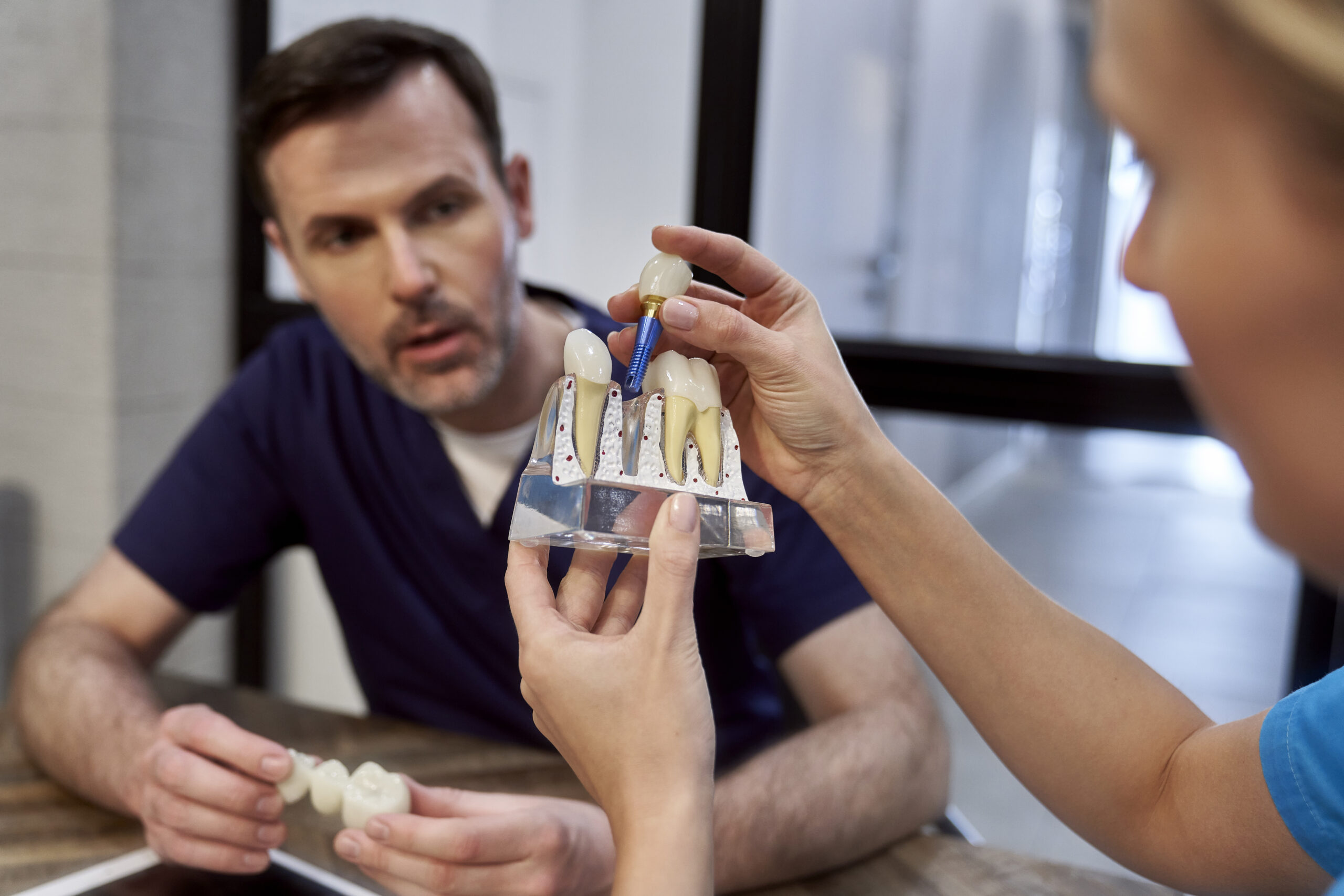
Some discomfort after dental implant surgery is completely normal. Mild swelling, tenderness, and slight bleeding can occur during the first few days as the tissues heal.
Most patients experience gradual improvement within the first week.
Typical healing symptoms may include:
- Mild soreness around the implant site.
- Temporary swelling.
- Minor bruising.
- Sensitivity when chewing.
- Slight discomfort when brushing nearby areas.
These symptoms usually improve steadily over time.
However, persistent or worsening symptoms may indicate a problem that requires professional attention.
Possible warning signs include:
- Increasing pain after several days.
- Continuous swelling.
- Bleeding that does not improve.
- Pus or discharge.
- A bad taste in the mouth.
- Gum recession around the implant.
- Implant movement.
One of the most concerning signs of failed dental implant treatment is noticeable movement or instability.
A healthy implant should feel stable and secure once healing is complete.
Pain, swelling and mobility
Pain is often one of the first indicators that something may not be healing properly.
While temporary discomfort is expected after surgery, severe or increasing pain should never be ignored.
Persistent pain
Pain that worsens instead of improving may indicate infection, inflammation, or failure of the implant to integrate with the bone.
Sometimes patients describe:
- Throbbing pain.
- Pain while chewing.
- Sensitivity when touching the implant area.
- Deep aching sensations.
These symptoms should always be evaluated by a dental professional.
Swelling that does not improve
Swelling is normal initially, but ongoing inflammation can signal complications beneath the gumline.
If swelling remains for weeks or returns suddenly after initial healing, it may point to infection or peri-implant disease.
Loose implant movement
A loose dental implant is never considered normal.
Unlike natural teeth, implants should not move at all once integrated with the jawbone.
Patients sometimes notice:
- Clicking sensations.
- Shifting while chewing.
- Pressure changes around the implant.
- Difficulty biting properly.
In some cases, the crown may simply be loose rather than the implant itself, but both situations require professional assessment.
Smoking can also significantly increase the risk of implant complications and delayed healing. This article on Smoking and Dental Implants: Can They Still Work? explains how tobacco use may affect implant success rates and recovery.
Infection and peri-implantitis
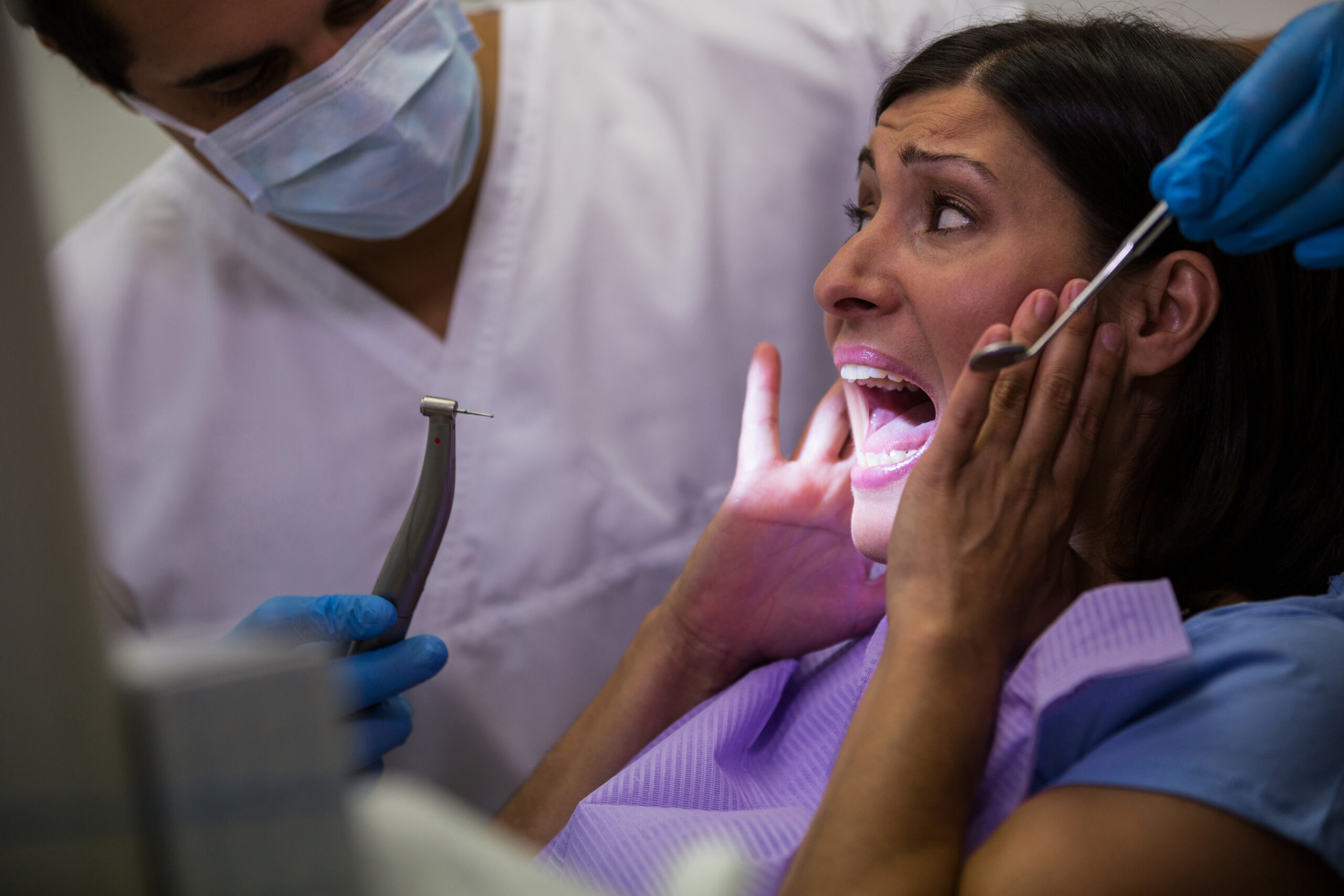
One of the most common causes of implant failure is infection around the implant tissues.
This condition can develop gradually and may initially produce very subtle symptoms.
Implant infection symptoms
Early implant infection symptoms can sometimes resemble gum disease around natural teeth.
Common signs include:
- Red or swollen gums.
- Bleeding when brushing.
- Persistent bad breath.
- Unpleasant taste in the mouth.
- Pus near the implant.
- Gum tenderness.
Ignoring these symptoms can allow the infection to spread deeper into the supporting bone.
Understanding peri-implantitis
Peri-implantitis is an inflammatory condition affecting the tissues surrounding a dental implant.
Advanced peri-implantitis signs may include:
- Bone loss around the implant.
- Gum recession.
- Deep pockets around the implant.
- Implant mobility.
- Ongoing discomfort.
The earlier peri-implantitis is detected, the greater the chance of saving the implant.
Patients with certain health conditions may also face higher risks of healing complications. If you have diabetes and are considering implants, this guide onCan You Get Dental Implants If You Have Diabetes? A Practical Guide for Patients in London explains important factors that can influence implant success.
What treatment may involve
Treatment for implant complications depends entirely on the cause and severity of the problem.
In many cases, early intervention can prevent implant loss.
Professional cleaning
If inflammation is detected early, deep professional cleaning around the implant may help control bacterial build-up.
Antibiotic treatment
Some infections may require antibacterial mouthwash or antibiotics to eliminate harmful bacteria.
Bite adjustment
Occasionally, excessive pressure from biting forces can contribute to implant problems.
Minor adjustments to the bite may reduce stress on the implant.
Surgical treatment
Advanced peri-implantitis may require surgical cleaning or regenerative procedures to restore bone and gum health.
Implant replacement
In severe cases where the implant cannot be saved, removal and replacement may be necessary after healing.
Although this sounds alarming, modern dentistry offers many solutions for restoring oral health successfully.
Patients who attend regular maintenance appointments and respond quickly to warning signs often have better long-term outcomes.
When it is an emergency
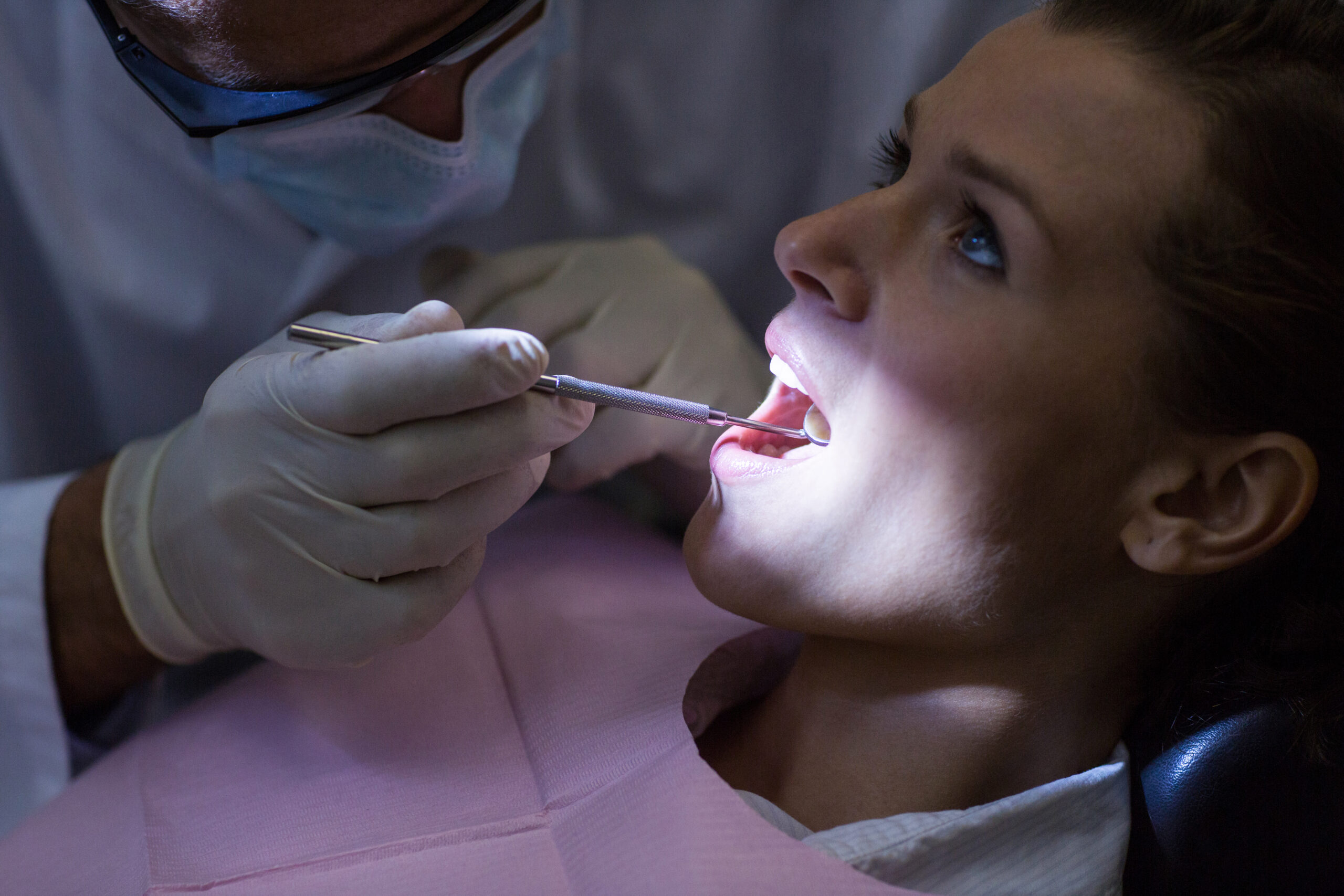
Some symptoms should never be ignored and may require urgent dental care.
You should contact your dentist immediately if you experience:
- Severe swelling spreading into the face or jaw.
- Fever alongside implant pain.
- Pus discharge.
- Sudden implant movement.
- Difficulty swallowing.
- Severe bleeding.
- Intense pain that does not improve.
Rapid intervention can help prevent more serious infection or damage to surrounding tissues.
If you are worried about your implant or considering replacing missing teeth with a reliable long-term solution, you canbook your dental implant treatment today to receive professional assessment and personalised care.
Final thoughts
Dental implants have extremely high success rates, but problems can occasionally occur.
Understanding the early signs of failed dental implant treatment allows patients to seek help before complications become more serious.
Persistent pain, swelling, loose dental implant movement, unusual bleeding, and visible implant infection symptoms should never be ignored.
Recognising advanced peri-implantitis signs early may help protect both the implant and surrounding bone.
With good oral hygiene, regular professional reviews, and prompt attention to warning signs, most implant complications can be managed effectively.
Frequently Asked Questions

Is pain normal after dental implant surgery?
Yes. Mild discomfort and swelling are common during the first few days, but worsening or persistent pain should be assessed professionally.
Can a loose dental implant be fixed?
Sometimes the crown is loose rather than the implant itself. A dentist must evaluate the area to determine the correct treatment.
What are common implant infection symptoms?
Redness, swelling, bleeding, bad breath, pus, and gum tenderness are common signs of infection around implants.
What causes peri-implantitis?
Peri-implantitis is usually caused by bacterial build-up and inflammation around the implant, often linked to poor oral hygiene or smoking.
Can failed dental implants be replaced?
Yes. In many cases, failed implants can be removed and replaced after appropriate healing and treatment planning.
