One of the most common questions parents ask is how often child dentist visits should actually happen. With busy schedules, school routines and the natural worry of “doing things right”, it’s not always easy to know what’s best for your child’s teeth.
The short answer is: regularly, but not identically for every child. In this guide, we explain how often children should see the dentist, why early visits matter, and how regular care supports long-term kids oral health — all in a calm, realistic way that fits family life in London.
Why children’s dental visits matter more than you think
Baby teeth may be temporary, but their role is permanent. They guide speech development, support nutrition, and hold space for adult teeth. Skipping dental visits in early years can allow small issues to grow quietly into bigger problems.
A regular child dental check-up helps:
- Detect early signs of tooth decay
- Monitor jaw and tooth development
- Build positive experiences with dental care
- Reduce fear or anxiety later in life
Children who see the dentist early and consistently tend to have healthier smiles as teenagers and adults.
How often should a child visit the dentist?

So, how often child dentist appointments should be booked depends on risk, age and oral habits.
General guideline
For most children:
- Every six months is recommended
- This allows early detection of cavities or enamel wear
- It supports preventive advice tailored to growth stages
This schedule is widely accepted across the UK and forms the basis of good kids oral health care.
When more frequent visits may be needed
Some children benefit from seeing the dentist more often than every six months. This doesn’t mean something is “wrong” — it simply means their teeth need extra monitoring.
More frequent child dental check-up visits may be advised if a child:
- Has a history of cavities
- Consumes frequent sugary snacks or drinks
- Has orthodontic concerns
- Finds brushing difficult or inconsistent
In these cases, visits every 3–4 months can significantly reduce future treatment needs.
The right age for a first dental visit
Many parents wait until a problem appears, but the first dental visit should happen much earlier.
Best practice in the UK:
- First visit by age one, or when the first tooth appears
- Early visits focus on education, not treatment
- Children become familiar with the dental environment
This gentle introduction supports lifelong kids oral health and helps prevent dental anxiety.
What happens during a child dental check-up?
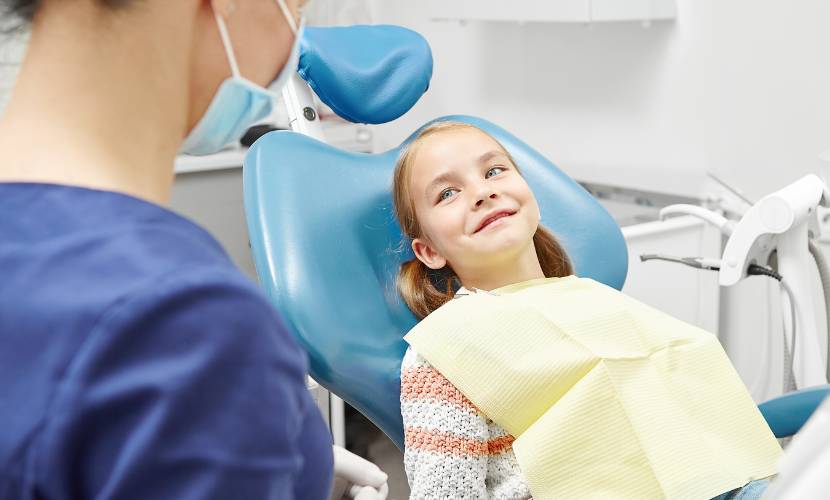
A child dental check-up is designed to be calm, friendly and age-appropriate.
Typically, the dentist will:
- Check teeth, gums and bite development
- Look for early signs of decay or enamel weakness
- Offer brushing and dietary advice to parents
- Answer questions in a reassuring way
For younger children, the visit may last just a few minutes — enough to build trust without overwhelming them.
Why consistency matters for kids oral health
Regular dental visits aren’t just about spotting cavities. They create structure and familiarity, which is essential for children.
Consistent check-ups help children:
- Understand that dental care is normal
- Feel confident and relaxed at appointments
- Develop responsibility for their own oral hygiene
Over time, these habits significantly improve kids oral health outcomes.
The role of prevention in children’s dentistry
Preventive dentistry focuses on avoiding problems before they start. For children, this approach is especially effective.
Preventive care may include:
- Fluoride treatments
- Fissure sealants on adult molars
- Tailored brushing and diet advice
These simple measures often make the difference between strong teeth and repeated dental treatments.
Choosing the right dentist for your child in London
Not all dental environments are the same. A child-friendly clinic makes a noticeable difference in how children experience care.
A good children’s dentist will:
- Use simple, reassuring language
- Allow time for questions and reassurance
- Adapt the approach to each child’s personality
If you’re looking for specialist care, this resource may help:
Children’s dentist in London
How parents can support dental visits at home
Parents play a crucial role between appointments. What happens at home directly affects how often child dentist visits become necessary.
Helpful habits include:
- Brushing twice daily with fluoride toothpaste
- Supervising brushing until around age 7–8
- Limiting sugary snacks, especially between meals
- Talking positively about dental visits
Children often mirror parental attitudes, so calm reassurance goes a long way.
Signs your child may need an earlier appointment
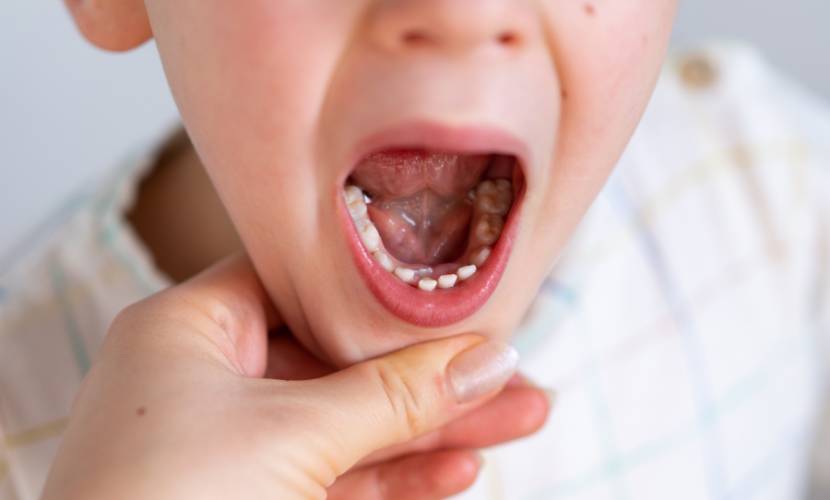
Even with regular visits scheduled, some signs mean you shouldn’t wait.
Book an earlier child dental check-up if you notice:
- Tooth pain or sensitivity
- White or brown spots on teeth
- Bleeding gums
- Difficulty chewing
Early assessment can prevent discomfort and more complex treatments.
FAQs about children’s dental visits
How often should a child visit the dentist if they have no cavities?
Most children still benefit from visits every six months, even if they’ve never had decay.
Can dental visits help prevent braces later on?
Early monitoring can identify bite or alignment issues, allowing timely referrals if needed.
What if my child is scared of the dentist?
Regular, gentle visits help reduce fear. Child-focused clinics prioritise comfort and trust.
Are baby teeth really that important?
Yes. They guide speech, nutrition and adult tooth development, making early care essential.
Final thoughts: building healthy habits from the start
Understanding how often child dentist visits should happen is one of the simplest ways to protect your child’s smile. Regular check-ups, combined with good habits at home, set the foundation for confident, healthy teeth well into adulthood.
If you’d like personalised advice or it’s time for your child’s next visit, we invite you to book an appointment at Condor Dent. Our team is here to support your family’s dental needs with care, patience and expertise.