
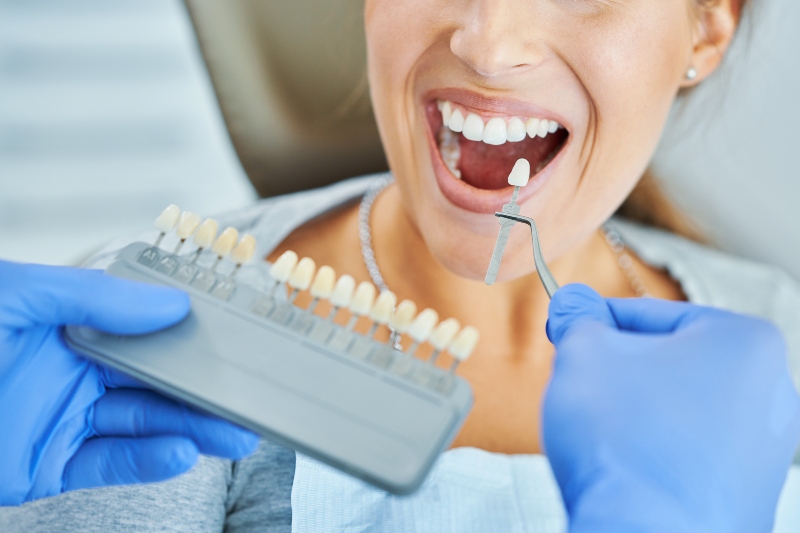
Dental implants are designed to be a long-term solution for missing teeth, but their success depends heavily on proper daily care. Many patients assume implants cannot develop problems because they are artificial, yet the surrounding gums and bone still need consistent maintenance to remain healthy.
Understanding how to clean dental implants correctly is one of the most important parts of protecting your investment and preventing complications such as inflammation, plaque build-up, or peri-implantitis.
The good news is that implant care does not have to be complicated. With the right routine, tools, and habits, you can keep your implants clean and healthy for many years.
If you are considering treatment or replacing missing teeth, you can book your dental implant treatment today to receive professional guidance tailored to your oral health needs.
Daily routine
A proper implant cleaning routine should become part of your everyday oral hygiene habits. Although implants are not vulnerable to decay like natural teeth, bacteria can still affect the surrounding gum tissue.
Consistency matters far more than aggressive cleaning.
Brush twice a day
Brushing your teeth morning and evening helps remove plaque and food particles before they build up around the implant area.
A soft-bristled toothbrush is usually recommended because it cleans effectively without irritating the gums.
When brushing:
- Use gentle circular motions.
- Focus carefully around the gumline.
- Clean all surfaces of the implant crown.
- Avoid brushing too aggressively.
Electric toothbrushes can also be very effective for patients with implants, especially if they struggle to reach difficult areas.
Pay attention to the gumline
One of the biggest risks around implants is inflammation where the implant meets the gums.
This makes cleaning around implants especially important. Plaque accumulation near the gumline can lead to swelling, bleeding, and eventually bone loss if ignored.
Taking an extra few seconds to clean carefully around the implant can make a major difference in long-term implant health.
Clean between teeth daily
Interdental cleaning is essential because standard brushing alone cannot remove all debris between implants and neighbouring teeth.
Many dentists recommend specialised floss for implants because it is designed to clean delicate areas without damaging implant surfaces.
Super floss, implant-specific floss, or interdental brushes may all be suitable depending on your treatment.
Patients often underestimate how important flossing is after implant treatment, yet it plays a key role in preventing inflammation and maintaining fresh breath.
If you are interested in understanding the long-term value of implant care, this article about How Long Do Dental Implants Last? What Affects Their Lifespan explains how daily hygiene directly influences implant durability.

Tools that help
Having the right tools can make implant care easier, safer, and more effective.
Not every oral hygiene product is ideal for implants, so choosing implant-friendly options matters.
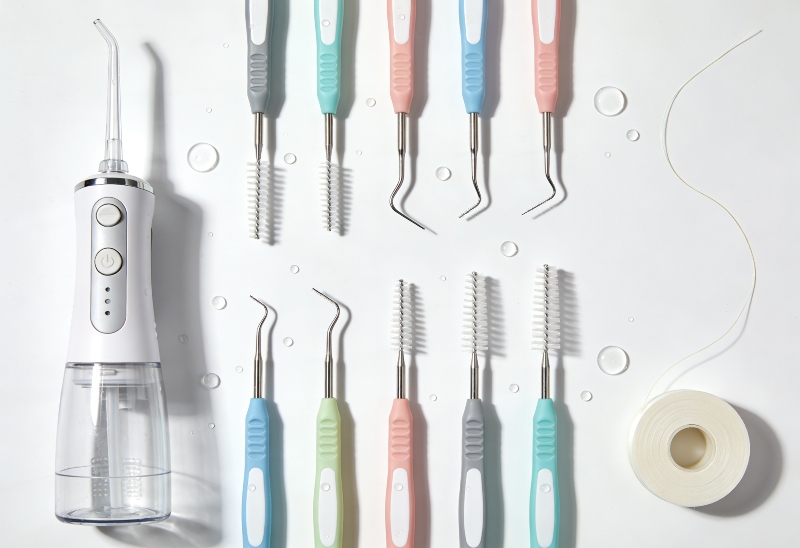
Soft interdental brushes
Small interdental brushes help remove plaque from spaces that regular toothbrushes cannot reach.
They are especially useful for bridges, multiple implants, or full-mouth implant restorations.
Look for brushes with coated or soft wire to avoid scratching implant surfaces.
Water flossers
Water flossers have become increasingly popular among implant patients because they help flush out debris around difficult areas.
Although they should not completely replace manual flossing in every case, they can be an excellent addition to your routine.
Many patients find water flossers easier to use consistently compared to traditional floss.
Low-abrasive toothpaste
Some whitening toothpastes can be too abrasive for implant restorations.
Choosing a gentle toothpaste helps protect the implant crown surface while still removing plaque effectively.
Implant-specific floss
Using the correct floss for implants is often overlooked, but it can significantly improve gum health around implants.
Implant floss tends to be softer, thicker, or specially designed to clean beneath bridges and around implant posts more effectively than standard floss.
Antibacterial mouthwash
An alcohol-free antibacterial mouthwash may help reduce bacteria and support gum health, particularly after implant surgery or professional cleaning appointments.
For patients researching treatment options, understanding maintenance costs is also important. This guide on the Price of a dental implant in the UK and more offers useful information about treatment and long-term care considerations.
Mistakes to avoid
Even patients with good intentions sometimes develop habits that can negatively affect implant health.
Avoiding these common mistakes can help protect both the implant and surrounding tissues.
Brushing too hard
Many people believe aggressive brushing means better cleaning, but excessive pressure can irritate gums and contribute to recession.
Gentle and consistent cleaning is far more effective.
Skipping flossing
Ignoring interdental cleaning allows bacteria to accumulate in areas your toothbrush cannot reach.
This is one of the most common causes of gum inflammation around implants.
Smoking
Smoking significantly increases the risk of implant complications and delayed healing.
It can also affect long-term implant success and gum health.
Using metal tools improperly
Sharp or metal dental tools used incorrectly at home may scratch implant surfaces or damage surrounding tissues.
Only use products recommended by your dental professional.
Ignoring bleeding gums
Bleeding is not something to dismiss. It may be an early sign of inflammation that requires professional attention.
Following proper implant hygiene tips can help prevent small issues from becoming more serious complications later on.
When to see a hygienist
Even with excellent home care, professional hygiene appointments remain essential.
Dental hygienists use specialised tools and techniques designed specifically for implants.
Professional cleaning helps remove hardened plaque and identify early signs of gum problems before they worsen.
Most implant patients benefit from hygiene appointments every three to six months, depending on their oral health condition.
You should contact your dental clinic if you notice:
- Persistent bleeding.
- Bad breath.
- Swollen gums.
- Discomfort around implants.
- Implant mobility.
- Difficulty cleaning certain areas.
Regular maintenance appointments are one of the best long-term implant hygiene tips for protecting your smile.
Cleaning after full-mouth implant treatment
Patients with full-mouth implants often require a slightly different cleaning approach because bridges and implant-supported restorations create additional areas where food and plaque can collect.
Special attention should be given to:
- Cleaning underneath bridges.
- Using water flossers effectively.
- Cleaning along the gumline daily.
- Attending more frequent hygiene visits if advised.
Full-mouth restorations can last many years when maintained properly, but they still depend heavily on daily home care and regular professional cleaning.
If you are considering replacing multiple missing teeth, you can book your dental implant treatment today to receive personalised advice about the best solution for your smile and lifestyle.

Final thoughts
Learning how to clean dental implants properly is one of the most important parts of ensuring long-term treatment success.
Daily brushing, careful cleaning around implants, using the right floss for implants, and following reliable implant hygiene tips all contribute to healthier gums and longer-lasting results.
Dental implants are designed to restore confidence, function, and comfort — but like natural teeth, they require ongoing care and attention.
With the right routine and regular professional support, your implants can remain healthy and attractive for many years to come.
Frequently Asked Questions

Can dental implants get infected?
Yes. Although implants cannot develop cavities, the surrounding gums and bone can become infected if plaque builds up.
What is the best floss for implants?
Many dentists recommend implant-specific floss, super floss, or interdental brushes depending on the type of restoration.
How often should implants be professionally cleaned?
Most patients should visit a hygienist every three to six months, although this varies depending on oral health needs.
Is mouthwash necessary for implant care?
An alcohol-free antibacterial mouthwash can help reduce bacteria and support healthy gums, but it should complement — not replace — brushing and flossing.
Are electric toothbrushes safe for implants?
Yes. Electric toothbrushes with soft bristles are generally safe and can be very effective for implant cleaning.
